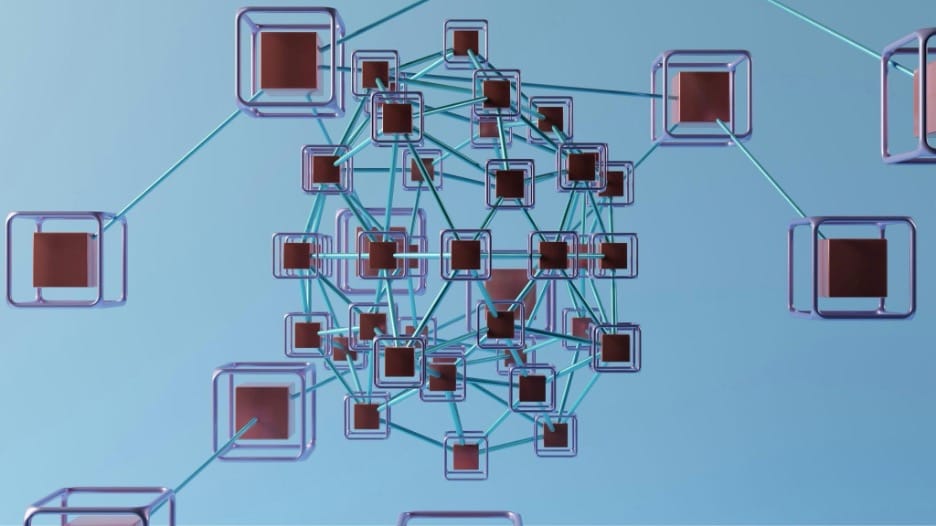
Once more, the internet is evolving. For the majority of us, it seems like yesterday that we were purchasing domains for our businesses or hobbies, setting up emails, and registering our first.com or.org. However, we are now moving into a new phase when ownership, control, and digital identity are paramount. So in this case, owning a web3 TLD a piece of the (new) internet in addition to renting space on it.
It may seem complicated at first. What precisely is a TLD, after all? A Top-Level Domain is simply the last part of a web address, such as.com,.net, or.org. These endings have been under registries’ authority and rented to us by registrars for decades. Most likely, you have paid annual fees to maintain your domain, but you run the danger of losing it if you neglect to renew. Web3 reverses this model. You may truly own a TLD on the blockchain—forever—instead of renting one. Owning a Web3 TLD is fascinating since it’s a digital asset that you control rather than just another subscription.
Why This Is Different from Traditional Domains
Consider the operation of the current domain system. After deciding on a name you like, you register it and pay an annual fee. Have you missed a payment? It could be taken by someone else. Organizations that choose which TLDs exist and how they are handled are in charge of overseeing everything, which is centralized.
The balance of power changes with Web3. Owning a Web3 TLD grants you complete control over that domain ending, thanks to blockchain technology. You don’t rely on a centralized authority. You might even permit others to register names under your TLD, with the possibility of receiving royalties each time. Imagine truly owning “.mywebsite”—and choosing how to use that space—rather than just having “mywebsite.com.”
What Makes It Feel Like the Future
Web3 domains are more than just website addresses, which is the finest part. They are connected to digital identities, decentralized apps, and wallets. You can use your Web3 domain as your address instead of copying and pasting lengthy crypto wallet strings. Because of this, the internet feels more human again—more safe, more approachable, and easier to use.
The worst part is that owning a Web3 TLD is like owning digital real estate in an undeveloped city, whereas normal domains will always feel like rentals. If you want to allow registrations for your TLD, there is room for expansion, innovation, and yes, even financial gain.
Why Early Movers Benefit the Most
History tends to repeat itself. Back in the 90s, people who bought up interesting .com names ended up sitting on digital goldmines. Of course, not every domain became valuable, but some turned into six or even seven-figure assets. We might be at a similar point today with Web3. The ecosystem is young, but it’s growing quickly.
Being early means you get more choices. You’re not fighting over names that are already taken, and you’re helping shape what the next phase of the internet looks like. Owning a Web3 TLD now is like planting a flag in unexplored territory.
So, Should You Jump In?
It’s worth investigating if you’re interested in the internet’s future. To participate, you don’t have to be an expert in cryptocurrency or a blockchain developer. Claiming your own TLD, managing it, and choosing how to utilize it are becoming simpler thanks to platforms. It’s a step that could pay off in ways other than financial gain—it’s about identity, presence, and control—whether you want to use it for personal branding, business, or simply to be a part of the next great revolution online.
Owning a Web3 TLD is ultimately about ownership in the purest sense of the word. For the first time, you’re holding a permanent piece of internet space rather than just borrowing it. And that’s revolutionary, not just thrilling.