
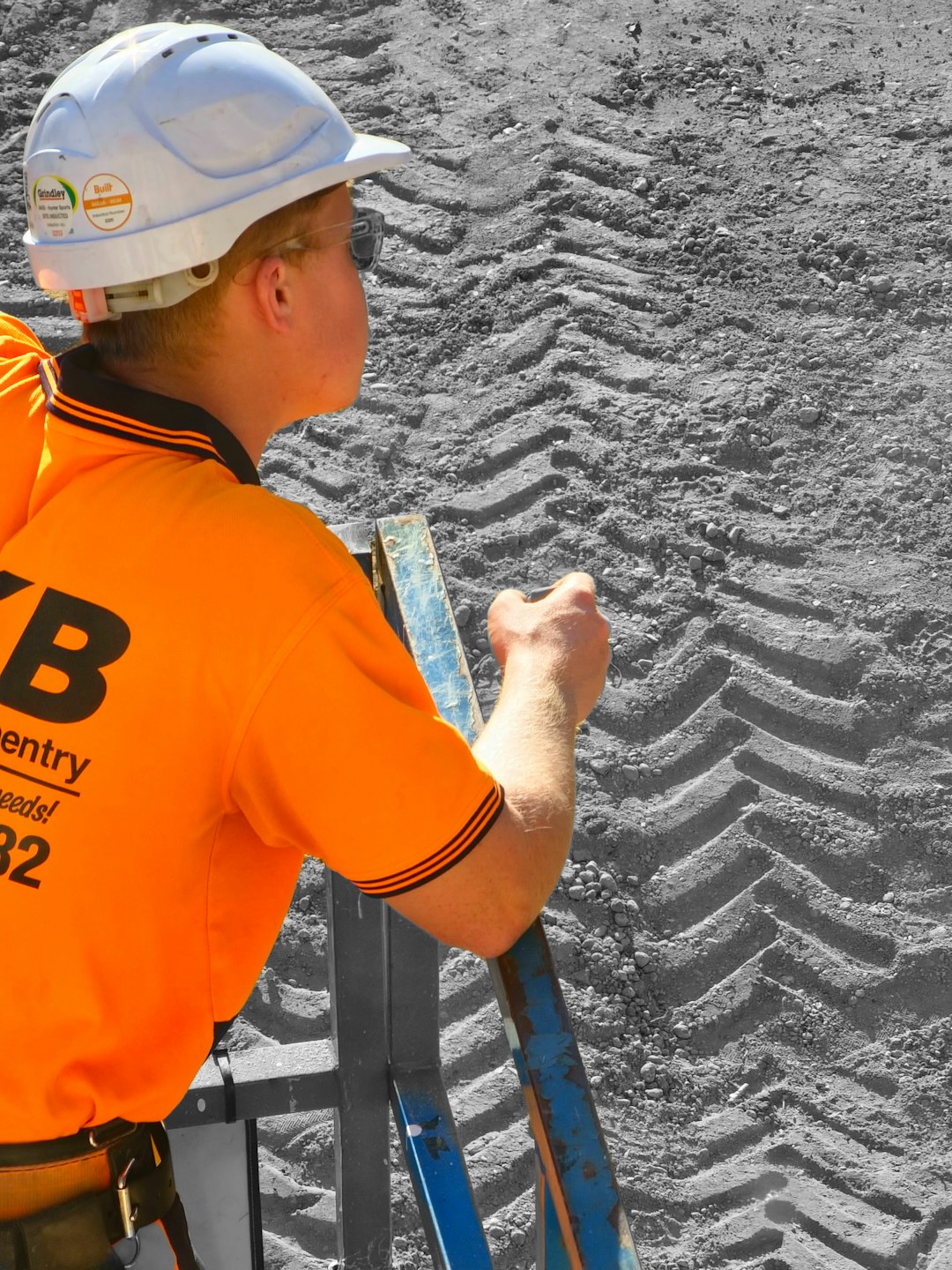
Something has shifted. A few years back, plenty of school leavers were told the same story: get a degree, sit in an office, climb the ladder. That script feels tired now. Younger workers are looking around and asking a fair question. Why chase a desk job that drains you when skilled trades can offer solid money, real purpose, and work you can actually see at the end of the day?
Turns out, they’re not wrong.
The Appeal of Work That Feels Real
There’s something deeply satisfying about practical work. Build a frame, wire a fit-out, fix a fault, install a system. You start the day with a task and finish with visible progress. Not another spreadsheet. Not another meeting that could’ve been an email.
I once spoke with a 22-year-old apprentice electrician on the Gold Coast who said the best part of his week was driving past sites he’d worked on. He could point and say, “I helped build that.” Hard to get that feeling from moving cells around in a budget file.
That sense of ownership matters. Young workers want meaning, not just motion.
University Isn’t the Only Smart Path
The old idea that university is the only route to success has taken a hit. Rising fees, long study periods, and uncertain job outcomes have made people think twice. Families are thinking twice too.
Trades offer a different model. Learn while earning. Gain experience early. Avoid years of debt. Start building your future sooner.
That doesn’t mean trades are easy. Far from it. They demand discipline, skill, and resilience. But many younger Australians would rather put effort into something tangible than rack up debt for a role they may not even enjoy.
Tech Has Changed the Game
Forget the outdated stereotype of dusty tools and rough guesswork. Modern trade work often runs on software, precision equipment, diagnostics, and smart systems. Today’s worksites can be highly technical environments.
That’s one reason specialised training areas like instrumentation courses are drawing interest. They combine hands-on work with problem-solving and technology, which suits a generation raised on devices but hungry for practical outcomes.
This mix of brains and hands is a big drawcard. You don’t need to choose one or the other anymore.
Better Money, Earlier
Let’s be blunt. Income matters.
Many young workers have watched older siblings or mates finish degrees, then land entry-level jobs on modest pay. Meanwhile, apprentices who stuck with their trade path are already earning, gaining experience, and in some cases starting businesses by their mid-twenties.
That gets noticed.
Trades can also create multiple income paths over time. Employment, subcontracting, project work, or running your own operation. It’s not instant riches, but it can be a smart long-term play if you’ve got drive.
Variety Beats the Same Four Walls
Not everyone is built for the same desk, same chair, same kitchen chat, same fluorescent lighting every day. Some people need movement. Different sites. New challenges. Fresh faces.
Trade careers often deliver that naturally. One week might involve residential work, the next a retail fit-out, then a maintenance call for a café whose commercial drinks fridge decided to quit during a heatwave. Stressful for them. Good business for someone who knows what they’re doing.
No two days being identical is a huge selling point.
Social Media Has Helped Too
Funny enough, platforms like TikTok and Instagram have made trade careers more visible. Young sparkies, chippies, plumbers, mechanics, and welders are posting job-site clips, tool reviews, day-in-the-life content, and business wins.
That visibility matters. It shows success in a form younger audiences trust more than career brochures.
They can see real people earning well, learning skills, buying utes, travelling, and building businesses. Is every clip glamorous? Of course not. Some involve mud and 6 am starts. But it feels honest.
Pride Is Back in Skilled Work
For a while, some people talked about trades as a fallback option. That was nonsense then, and it looks even sillier now.
Skilled workers keep cities running. They build homes, maintain power, fix systems, and solve problems when things go wrong. Storm damage doesn’t care about your LinkedIn title.
There’s renewed respect for practical expertise, and younger Australians can sense it. They know being useful has value. Real value.
A Career With Room to Grow
The best part? Trade careers don’t have to stay in one lane. Plenty of workers move into supervision, estimating, training, project management, sales, or business ownership later on.
Start on the tools. Grow from there.
That flexibility is powerful. It means choosing a trade at 18 doesn’t lock you in. It opens doors. For a generation wary of dead-end paths, that matters more than ever.