Australia’s food and wine producers know that presentation and protection go hand in hand. Whether it is fresh produce heading to market or a limited run of bottles destined for export, what happens between the paddock, the cellar, and the customer can make or break a reputation.
For many, wooden crates have proven to be the most dependable and sustainable way to move, store, and showcase their products. Let’s have a look inside and find out what makes a great product for logistics.
Built for strength and stability
From heavy wine bottles to boxes of citrus or olive oil tins, timber crates provide the kind of strength that cardboard and plastic cannot. They handle weight without bending or breaking, making them ideal for stacking in trucks, cool rooms, and warehouses.
Benefits include:
- Reliable strength for heavy or fragile loads
- Reusable across multiple freight cycles
- Less product damage during transit
- Long lifespan with only minor maintenance
A properly built crate absorbs shocks and pressure changes, keeping bottles and produce safe even on long interstate journeys or rough rural roads. For wineries and breweries, that reliability matters.
Airflow that keeps things fresh
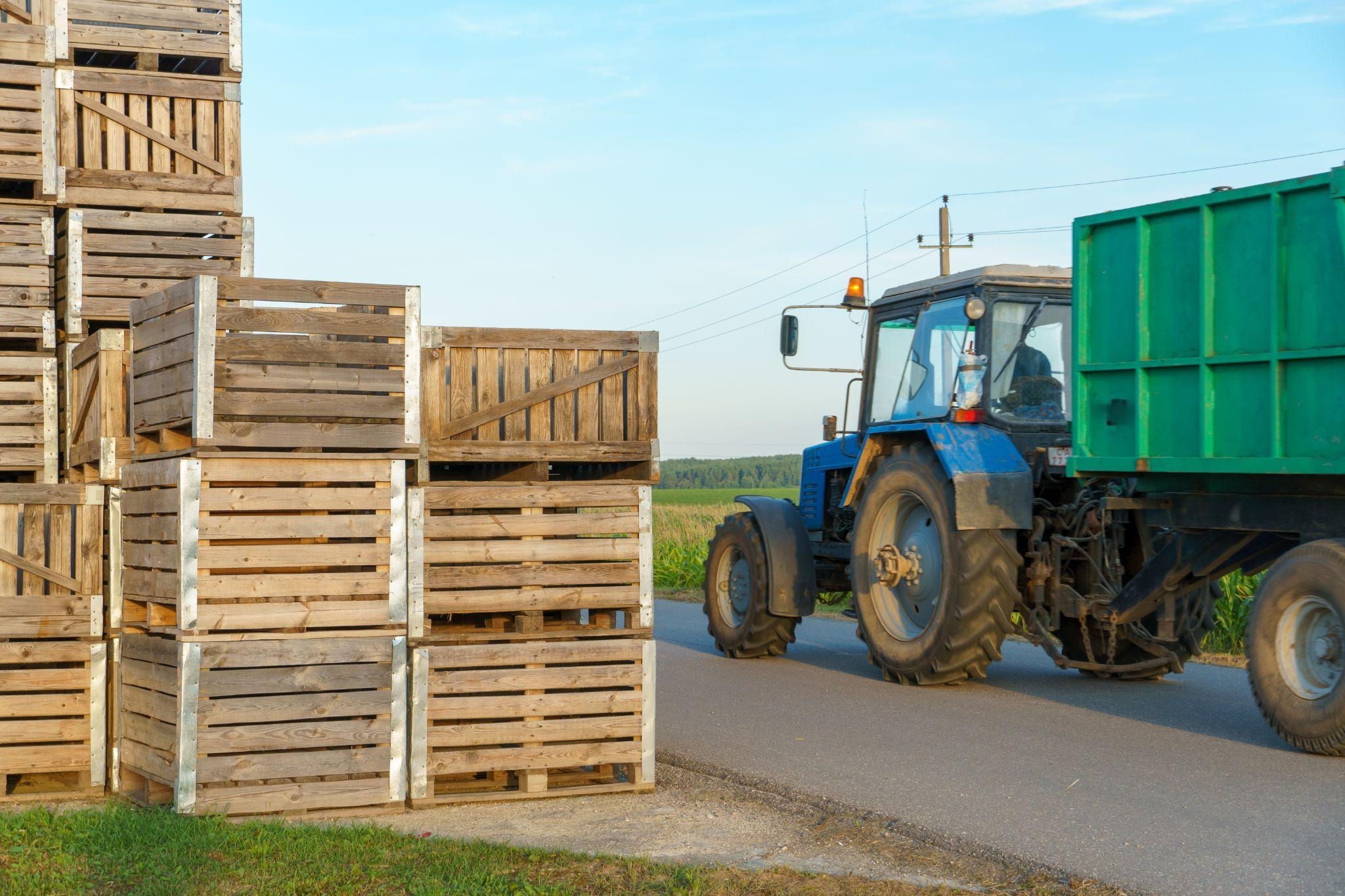
One of the biggest advantages of wooden crates is their natural ventilation. Slatted designs allow air to circulate freely, reducing the risk of condensation that can spoil fruit, wilt vegetables, or compromise packaging labels.
Ideal for:
- Fresh produce and bakery goods
- Delicate herbs, flowers, and perishables
- Bottled goods that need temperature stability
In the wine world, crates made from seasoned or recycled timber are less likely to sweat in fluctuating temperatures. This helps bottles stay cool and dry without added packaging materials.
Sustainability that aligns with modern values
Consumers are paying closer attention to how products reach them. The rise of sustainable packaging is not a passing trend but a new expectation. Wooden crates, especially those made from recycled timber, help producers reduce waste and lower their reliance on new materials.
Sustainability advantages:
- Made from renewable or recycled timber
- Can be repaired, reused, or recycled again
- Lower carbon footprint than plastic or metal
- Contributes to circular economy practices
For wineries, breweries, and growers, it is an easy way to make operations greener while maintaining practicality. Using reclaimed timber also tells a story that resonates with customers who value authenticity.
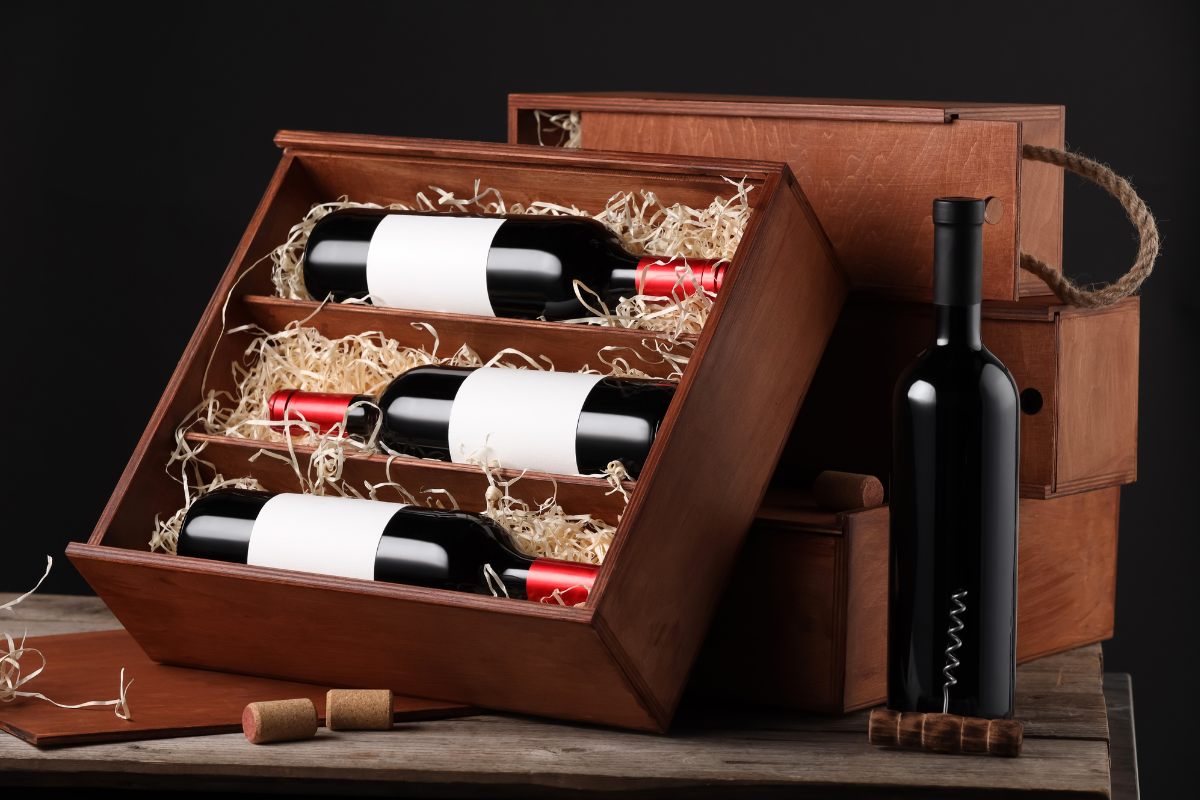
(Image: Sustainable branding and packaging with custom wooden crates. Credit: Africa Images/Canva)
Branding and presentation
Timber crates naturally convey quality. Their rustic yet professional look suits Australia’s food and wine culture perfectly, whether at cellar doors or local markets. Businesses often choose to stencil or paint their logos on crate panels, turning transport packaging into a branding opportunity.
A stack of branded crates can:
- Reinforce brand identity and craftsmanship
- Improve recognition in stores or events
- Create an authentic aesthetic for display
Wooden crates are functional but also part of the marketing toolkit. They carry a sense of heritage and care that plastic containers simply cannot match.
Local craftsmanship and customisation
Wooden crates can be built to almost any specification. Producers can choose timber thickness, internal bracing, or custom sizing for export, retail, or bulk transport.
South Australian suppliers offer quick turnaround and personal service, helping producers scale up or adapt as demand changes.
Local sourcing also:
- Reduces freight emissions
- Supports nearby jobs and industries
- Keeps lead times shorter during busy seasons
Partnering with sustainable suppliers
Choosing the right supplier makes all the difference. Businesses like Born Again Pallets specialise in creating wooden cases and crates from both new and recycled timber, ensuring strength, quality, and sustainability. Their team helps wineries, food producers, and logistics companies find the right balance between durability and environmental performance.
Because each crate is built with reclaimed or hybrid materials, it carries a smaller carbon footprint while still meeting export and handling standards. This circular approach to timber use keeps valuable materials in circulation and gives producers confidence that their packaging choices are as responsible as their products.
The practical and sustainable choice
For the food and wine industry, timber crates offer more than just safe transport. They represent a commitment to quality, sustainability, and brand integrity. They protect goods, reduce waste, and look good doing it.
From small-batch producers in the Adelaide Hills to major exporters in the Barossa, more businesses are rediscovering the reliability of wood. It is strong, sustainable, and unmistakably Australian, helping the nation’s food and wine reach the world in better shape than ever before.