For many homeowners, ducted air conditioning offers the convenience of cooling and heating the entire home from one system. But one feature often makes the biggest difference to comfort and running costs: Zoning.
Rather than cooling or heating every room at the same time, zoned ducted systems let you control which parts of the home are running, helping reduce wasted energy and improve efficiency.
Here’s how zoned ducted air conditioning works and why it can save both energy and money.
What Is Zoned Ducted Air Conditioning?
A zoned ducted air conditioning system divides your home into separate areas, or “zones,” that can be controlled independently.
Common Zones Might Include:
- Living areas
- Bedrooms
- Upstairs and downstairs
- Home office spaces
- Guest rooms
Instead of conditioning the whole house at once, you can choose exactly which zones are active.
How Zoning Actually Works
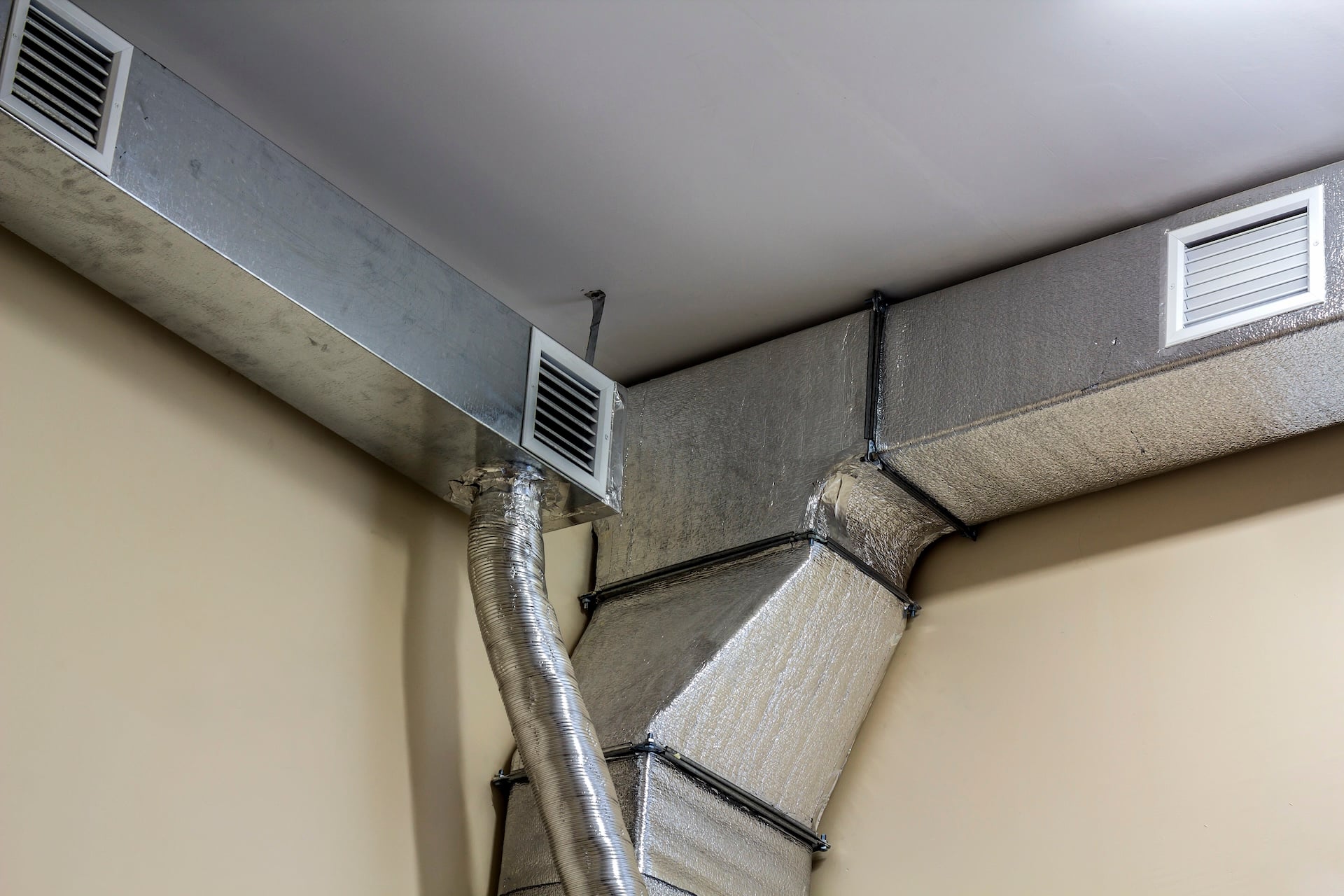
Inside the ducting system are motorised dampers.
These open and close airflow to specific parts of the home.
Example:
During the day:
Living areas ON
Bedrooms OFF
At night:
Bedrooms ON
Living areas OFF
This targeted approach helps reduce unnecessary energy use.
The Biggest Energy Saving: Cooling Less Space
One of the main reasons zoning saves money is simple:
You’re Not Conditioning Empty Rooms
Without zoning:
You may cool:
- Spare bedrooms
- Unused guest rooms
- Empty formal areas
Even when nobody is using them.
With Zoned Ducted Air Conditioning:
You only run the spaces you actually need.
This often reduces energy consumption significantly.
Better Temperature Control for Different Areas
Not every room needs the same temperature.
Example:
Bedrooms may feel comfortable and cooler at night.
Living areas may need stronger cooling during the day.
Zoning helps create:
- Better comfort
- More consistent temperatures
- Less overheating or overcooling
Especially in larger homes.
Helps Reduce Running Costs
Cooling or heating an entire home can become expensive.
Zoned Systems Often Help Reduce:
- Electricity use
- Unnecessary system load
- Over-conditioning
Especially during:
- Hot summers
- Cold winters
- Long periods of system use
The exact savings vary, but zoning can noticeably reduce running costs over time.
Less Wear and Tear on the System
Running fewer zones can also reduce strain.
Benefits May Include:
- Less system workload
- Reduced operating time
- Potentially longer equipment lifespan
A system that isn’t constantly working at maximum output often performs more efficiently.
Ideal for Larger Homes
Zoning becomes especially valuable in bigger properties.
Common Problem in Large Homes:
Some areas sit empty most of the day.
Example:
Guest bedrooms are rarely used.
Without zoning:
You may still pay to cool them.
With Zoned Ducted Air Conditioning:
You can simply turn those zones off.
Great for Families With Different Preferences
Temperature preferences vary.
Example:
Some family members prefer:
- Cooler bedrooms
Others prefer:
- Warmer living spaces
Zoning allows better flexibility across the home.
This often improves overall comfort.
Smart Controls Can Improve Efficiency Further
Many modern ducted air conditioning systems include:
Smart Features:
- App control
- Scheduling
- Programmable timers
- Smart zoning control
Example:
Automatically:
- Turn bedrooms on before bedtime
- Turn unused zones off during work hours
Automation can improve savings even more.
When Zoned Ducted Air Conditioning Makes the Most Sense
Zoning often delivers the biggest value for:
Larger Homes
Where unused rooms exist.
Multi-Level Homes
Upstairs and downstairs often need different temperatures.
Families With Different Schedules
Different rooms used at different times.
Hybrid Workers
Cooling home offices without running the whole house.
Can Small Homes Still Benefit?
Sometimes.
But in smaller homes with only a few rooms:
The energy savings may be less dramatic.
Simple split systems can occasionally make more financial sense depending on layout.
Things That Affect Energy Savings
Savings vary depending on:
- Home insulation
- Property size
- Climate
- System efficiency
- Usage habits
- Number of zones
Zoning helps, but the overall setup still matters.
Questions to Ask Before Installing
Before choosing a zoned ducted air conditioning system, ask:
- How many rooms are used regularly?
- Do we need independent temperature control?
- Which areas sit empty most often?
- Will smart controls help?
These answers usually reveal whether zoning is worthwhile. Experienced reverse cycle installers can help you choose the right ducted air conditioning system.
Final Thoughts
Zoned ducted air conditioning can save energy and money by allowing homeowners to cool or heat only the areas they actually use. Instead of wasting power on empty rooms, zoning creates more targeted comfort, lower running costs, and greater flexibility throughout the home.
For larger homes especially, it’s often one of the smartest ways to improve comfort without unnecessarily increasing energy bills.