
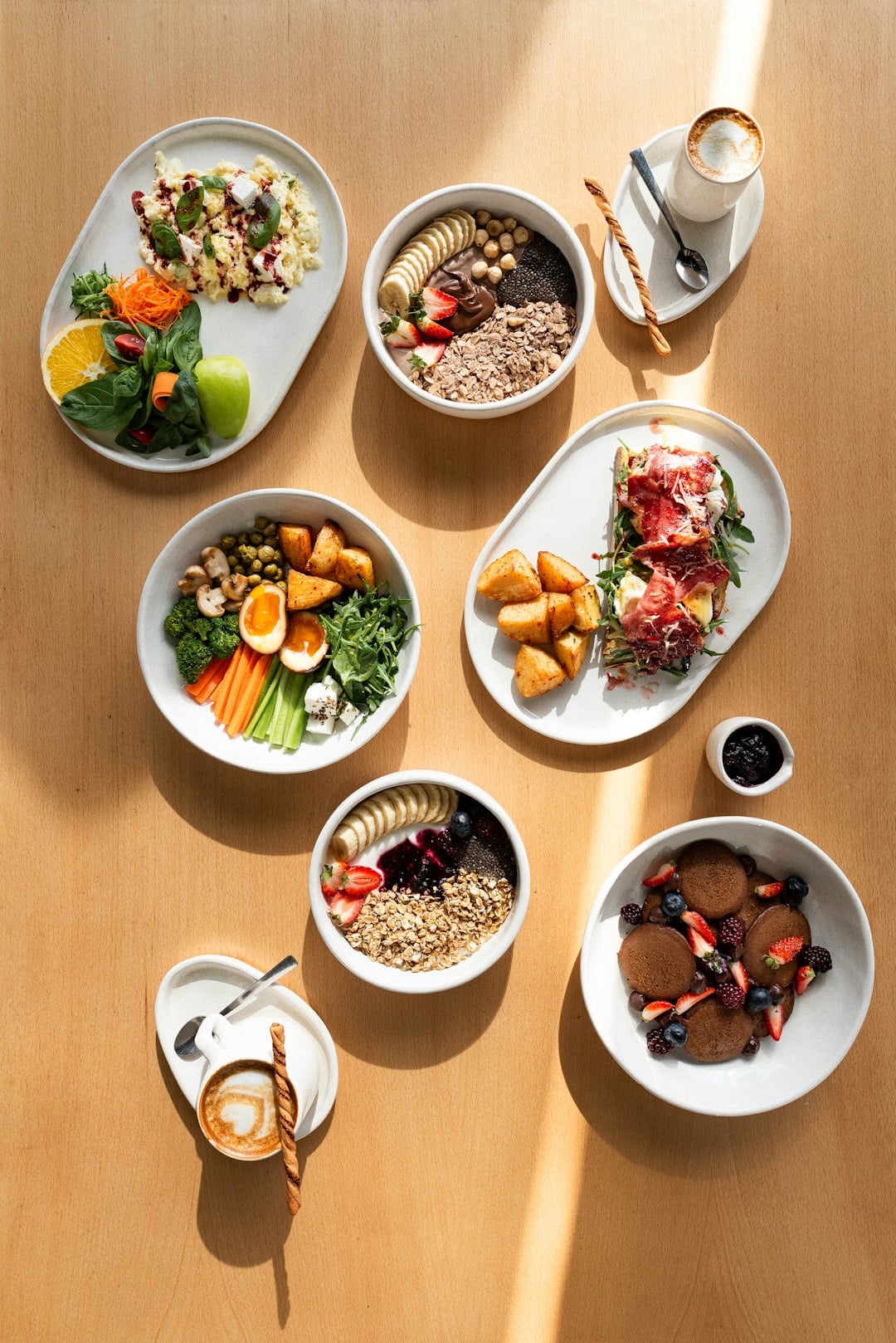
Most Australians could use a little help in the vegetable department. In the ABS National Health Survey, only 6.5% of adults met the vegetable recommendation in 2022, down from 7.5% in 2017-18. A weekly cook-up is one of the simplest ways to change that, because a lunch that is already in the fridge is much easier to choose than the takeaway counter.
There is a catch that rarely makes it into the photos. A big batch of food takes longer to cool, sits in the fridge for days and gets reheated at work in whatever microwave is available. The Food Safety Information Council cites an estimated 4.67 million cases of food poisoning in Australia each year, and estimates that one third of cases occur in the home. A few habits let you keep the benefits of batch cooking without adding to that number.
Plan Meals You Will Still Want on Thursday
The best meal prep menu is the one you will still feel like eating four days later. Two or three simple dishes usually work better than one giant pot of the same thing.
A practical week might look like this:
- A freezer dish: a vegetable-heavy chilli, curry or soup, cooked on Sunday and frozen in single portions.
- A fridge dish: roast chicken or tofu with roasted vegetables, for Monday and Tuesday.
- A cold lunch base: chopped salad vegetables and cooked grains kept in separate containers, with the dressing added on the day.
People come to meal prep for different reasons. Some are counting kilojoules or following a plan from a dietitian. Others are using weight loss medication prescribed online or by their GP, and may find that their usual portions no longer suit them. Either way, smaller containers make it easier to serve a sensible amount and save the rest for another day. Anyone with a medical condition or on a treatment plan should check dietary changes with their own doctor or dietitian.
Cool It Quickly
The biggest mistake in batch cooking is leaving a full pot on the bench to cool. The Council’s advice on leftovers is clear: food that has been in the temperature danger zone for more than two hours should be eaten or refrigerated immediately, and food that has been there for more than four hours must be thrown out.
The fix is simple. Divide the food into small containers so it cools quickly, then put it in the fridge. A large pot of curry can hold its heat for a long time, while the same curry in several shallow containers cools much faster.
Work Backwards From Three Days
This is the part many meal plans skip. The Council says perishable leftovers should be used within two to three days, so a Sunday cook-up does not safely stretch to Friday in the fridge. Decide on the day you cook which meals are for the fridge and which are for the freezer:
- Sunday to Tuesday: keep these meals in the fridge.
- Wednesday to Friday: freeze these meals straight away.
- The night before: move the next day’s meal from the freezer to the fridge, because the Council advises defrosting in the fridge and not on the kitchen bench.
Label each container with the dish and the date. It takes seconds, and it stops the guessing game three weeks later.
Check the Fridge
The Council also recommends keeping the fridge at or below 5°C, and adjusting the temperature with the seasons and the amount stored. A fridge packed with a week of containers has to work harder than a half-empty one, so an inexpensive fridge thermometer is worth having.
Reheat It Properly
An office microwave can leave cold patches in the middle of a dish. Food should be hot all the way through, and the Council suggests using a meat thermometer to check that it has reached at least 75°C in the centre. Stirring halfway through helps the heat spread evenly.
Pack It for the Day Ahead
The trip to work counts too. A lunch that spends the morning in a warm car or a hot bag can end up in that same danger zone. An insulated bag with a frozen ice brick is a small expense that keeps food cold until lunchtime, and a work fridge is better still if you have access to one.
Keep It Simple
Meal prep only helps if you are still doing it next month. Pick a day that suits your week, cook two or three dishes you enjoy, cool them fast and freeze what you will not eat within three days. As the Council puts it, if in doubt, throw it out.