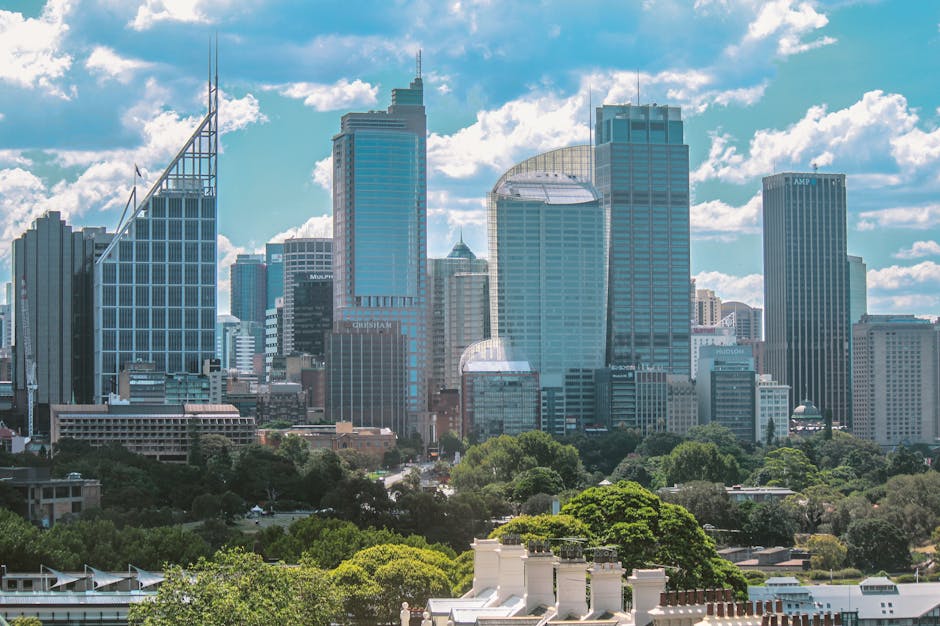
The month behind us marked the second-hottest September in Sydney since records started being kept in 1858. Meteorologists warn that this increase in temperature isn’t an isolated event but part of a stretching pattern of exceptionally hot, dry weather. With that in mind, the entire east coast could be in for a scorching October and conditions closer to those usually felt in mid-summer.
Record Heat in Sydney
Sydney has entered October off the back of its second-hottest September in over 150 years, setting the tone for what could be an unusually hot month. The heat followed the city’s wettest September day in 146 years, making it a true month of extremes. The weather left Sydneysiders sweltering and drenched in equal measure.
In September, Weatherzone reported an average maximum of 23.5°C, which is 3.3°C above the monthly average. In addition, the average minimum of 13.1°C was 1.9°C higher than usual. When it comes to rainfall, the city has recorded above-average numbers in seven of the nine months so far in 2025, with August being the wettest month.
If the increase in temperature continues throughout October, it could affect the daily routines of many residents. They’ll be more likely to seek relief indoors, where air conditioning offers protection from the heat. With outdoor activities becoming less appealing, people may turn to activities such as streaming movies and TV shows and playing online casino games, where there are brand new options available.
In addition, businesses that rely heavily on foot traffic could see fewer customers, and commuters may face uncomfortable trips on public transport.
Fire Bans Across Queensland
Further north, Brisbane and much of South East Queensland also entered the current month experiencing extreme heat and temperatures that are above the October average.
Firefighters have been battling more than 60 fires across disaster-prone Queensland amid the heatwave.
This prompted the Queensland Fire Department (QFD) to extend its total fire ban across the region for five more days. Under the ban, all open fires were prohibited in Brisbane, Sunshine Coast, Gold Coast, and the rest of the region.
The reason behind this was the fact that the current weather conditions are perfect for bushfires to start and spread quickly. In addition to prohibiting all open fires, QFD also advised residents to be extremely careful when using power tools and have fire suppression equipment ready in case something goes wrong.
Holding off from lighting fires also ensures firefighters can fully focus on dealing with naturally ignited blazes.
Additionally, meteorologists advised vulnerable groups, which include the young, elderly, pregnant women, and individuals with underlying health issues to take extra care.
Other Areas
Sydney and Queensland aren’t the only places experiencing high temperatures. Significant increases were also recorded in northern regions, including Darwin and Broome.
Down south, Victoria and Tasmania have been facing cooler, wetter weather with showers and windy conditions. Tasmania was also battered by blistering winds with powerful gusts bringing down trees and damaging piers.
Australians and Extreme Heat
With record temperatures seen in September, there’s been a lot of talk about how vulnerable Australians are to heat. The federal government had previously warned that the climate crisis would increase the number of heat-related deaths, with already vulnerable individuals being the most at risk.
Contributing to heat vulnerability the most are people suffering from cardiovascular disease, respiratory disease, diabetes, neurological conditions, and mental illness.
According to a study conducted at Monash University, there had been 1,009 heat-related deaths in Australia in the period between 2016 and 2019. With the temperatures the country is currently facing, everyone needs to take extra precaution to protect themselves and their loved ones, especially those falling into the vulnerable category.