Picture this: you’re walking through a bustling shopping centre, and there’s that one bench that’s seen better days. You know the one. Wobbly legs, faded colour, maybe a suspicious stain or two. Makes you wonder how something meant to offer comfort ended up being such an eyesore, right?
The truth is, choosing the right seating for public and commercial areas isn’t just about picking something that looks good on day one. It’s about finding pieces that’ll still be doing their job years down the track, through countless users, weather extremes, and the general wear and tear that comes with public use.
What Makes Seating Actually Durable?
Here’s the thing about durability. It’s not just one factor, but a combination of smart material choices, thoughtful design, and proper installation.
Take materials, for instance. Some options might look fantastic in the showroom but crumble under real-world conditions. Others, like quality aluminium outdoor benches, are built to handle whatever gets thrown at them. Weather resistance, scratch resistance, and structural integrity all play their part.
But here’s where it gets interesting. Durability isn’t just about the materials themselves. It’s also about how those materials work together. A bench might have the strongest frame in the world, but if the joining methods are subpar, you’re still looking at problems down the line.
The Hidden Costs of Cheap Seating
Ever noticed how that bargain-bin furniture purchase from years ago is now costing you more in replacements than if you’d just bought something decent to begin with? The same principle applies to commercial seating, except the stakes are higher.
When public seating fails, it’s not just an inconvenience. It’s a safety risk, a maintenance headache, and often a pretty poor reflection on whoever’s responsible for the area. Plus, there’s the environmental angle. Constantly replacing furniture means more waste, more resources used, and more disruption to the people using those areas.
The thing is, quality seating might cost more upfront, but it typically works out cheaper over time. Fewer replacements, less maintenance, and frankly, fewer headaches for facility managers.
Real-World Performance Matters
Let’s be honest, laboratory tests only tell you so much. Real durability shows up in how seating performs when it’s actually being used by real people in real conditions.
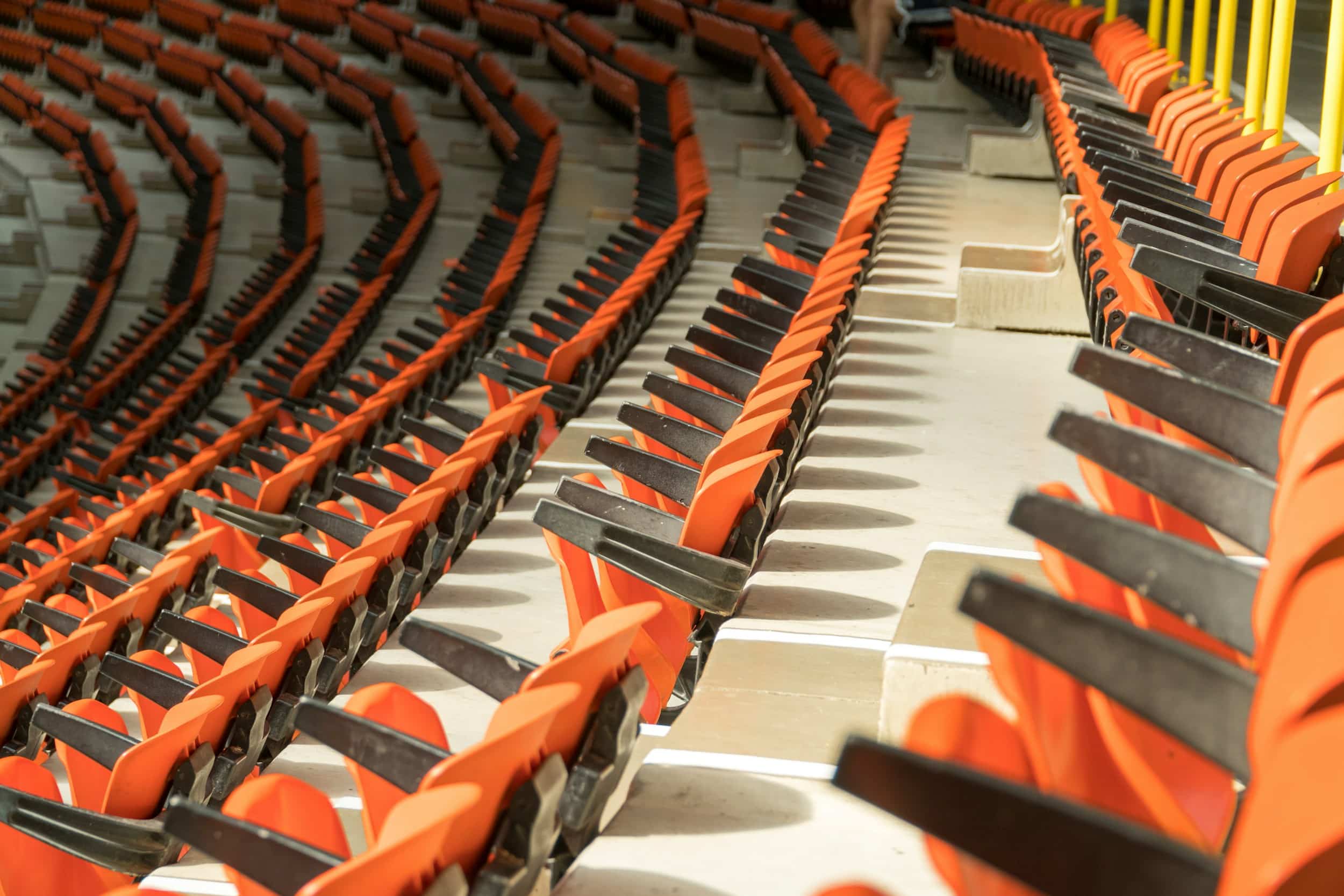
Public seating faces some pretty tough challenges. Kids climbing on it, adults of all sizes using it, exposure to cleaning chemicals, temperature fluctuations, and sometimes less-than-gentle treatment. Quality pieces are designed with all of this in mind.
Actually, some of the best seating solutions are the ones you don’t really notice. They’re there when you need them, they’re comfortable enough to serve their purpose, and they look pretty much the same whether they were installed last month or five years ago.
Making Smart Choices
So what should you look for when selecting durable seating? Start with manufacturers who understand the demands of commercial environments. Look for materials that have proven track records in similar applications. Consider the specific conditions your seating will face.
Climate plays a big role too. What works perfectly in a mild, dry environment might not hold up in coastal areas with salt air, or places with extreme temperature swings.
The bottom line? Durable seating isn’t just about surviving. It’s about continuing to serve its purpose effectively, looking presentable, and requiring minimal intervention over its lifespan. When you get that balance right, everyone wins. The people using the seating get a better experience, facility managers get fewer problems to solve, and budgets stretch further.
Smart seating choices today save headaches tomorrow. Pretty simple concept, really.