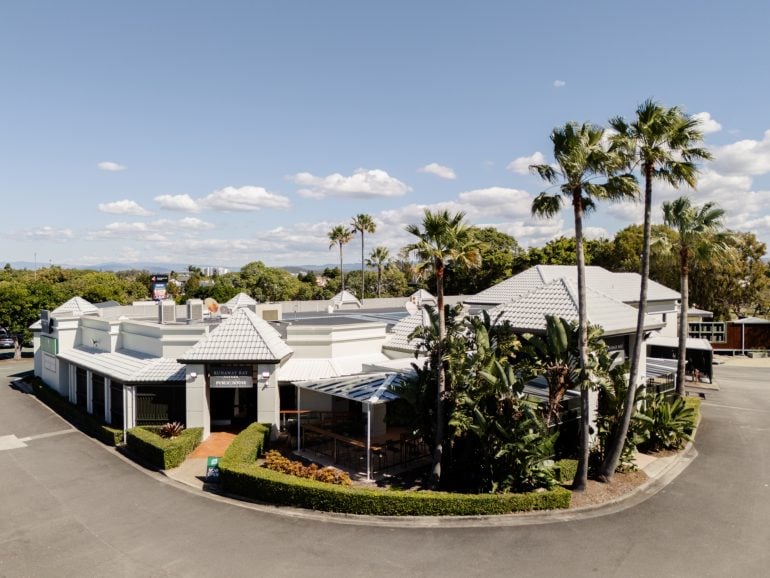
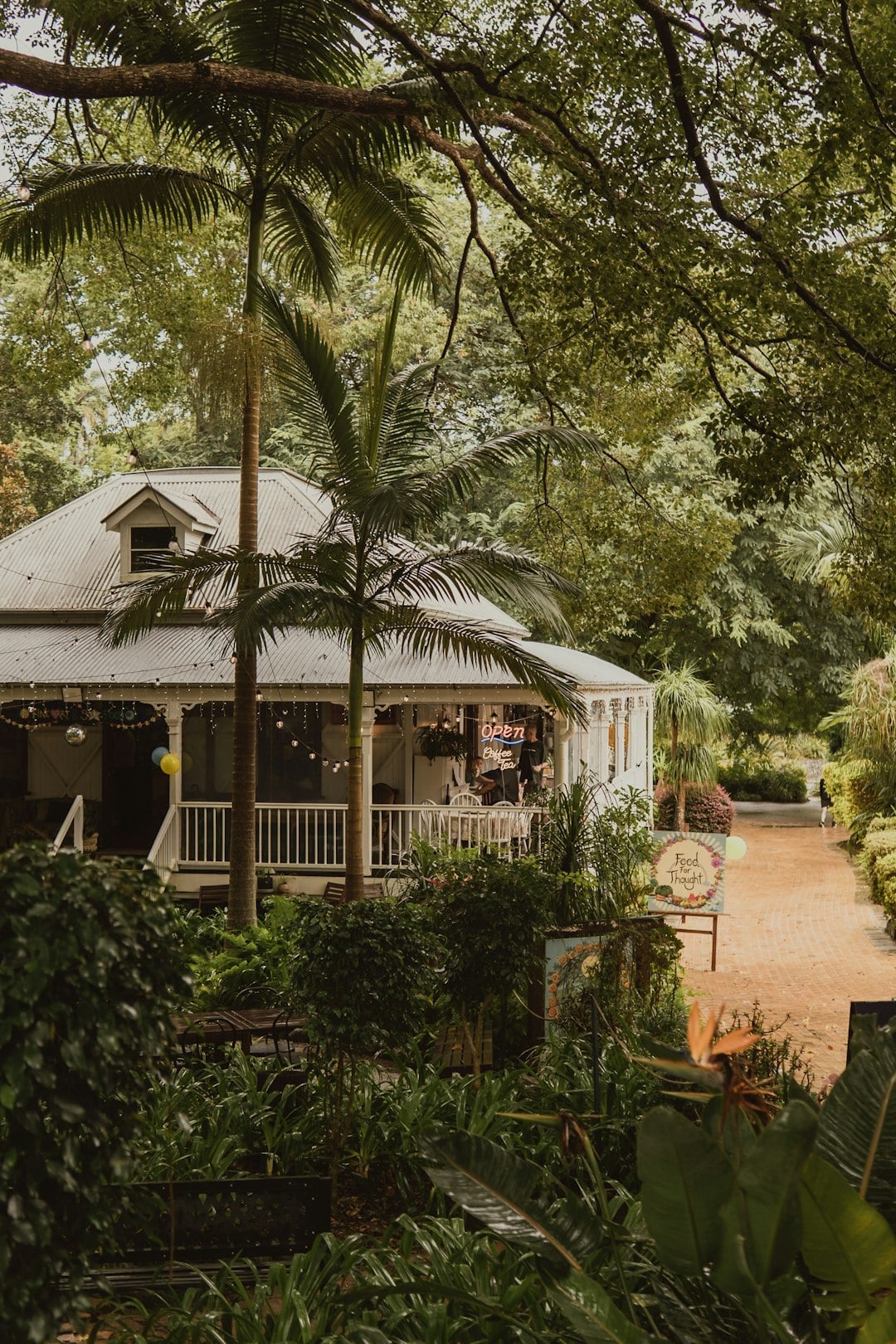
A house in Queensland ages differently from a house in Melbourne, and the maintenance schedule that works down south will quietly let you down up here.
The combination of humidity, intense ultraviolet exposure, a concentrated wet season, salt air along a heavily populated coastline and genuine termite pressure produces a set of failure modes that are specific to this climate. None of them are dramatic on any given day. All of them compound.
Here is what actually degrades a Queensland home, and the maintenance rhythm that keeps ahead of it.
The four forces doing the damage
Ultraviolet exposure. Queensland receives some of the highest UV levels of any populated part of the country. UV breaks down polymers, which means sealants, paint binders, rubber seals, roof membranes, pool equipment and anything plastic left outdoors degrade faster than the manufacturer’s generic service life suggests. A sealant rated for a decade elsewhere may be brittle here in half that.
Humidity. Sustained high humidity feeds mould and mildew, keeps timber at a higher moisture content, and makes condensation a genuine issue in air conditioned buildings where warm moist air meets cooled surfaces. It also means that anything which gets wet stays wet longer, which is the precondition for most rot and most corrosion.
The wet season. Rainfall concentrated into a few months means drainage systems face their entire annual load in a short window. A gutter that copes fine with moderate rain will overflow in a genuine Queensland downpour, and overflow means water going somewhere it was not designed to go.
Salt. The Queensland coast is heavily populated and salt-laden air is aggressive on metal. Fixings, guttering, roller doors, air conditioning condensers, window hardware, fencing, garage door springs and balustrades all have materially shorter lives within a few kilometres of breaking surf. This is the most underestimated factor on the list, because the damage is slow and internal before it is visible.
Roofing and stormwater
This is where the money is, and where deferral is most expensive.
The wet season is unforgiving of any weakness in the roof or the drainage behind it. The failure sequence is predictable: gutters block, water backs up under the roofing, it enters the ceiling and wall cavity, and in this humidity it does not dry out. What began as a gutter clearing job becomes ceiling replacement, electrical remediation and mould treatment.
Clear gutters before the wet, not during it. This is the single highest-value maintenance task in a Queensland home.
Check that downpipes actually discharge somewhere sensible. A downpipe emptying at the base of a slab is creating a problem every time it rains.
Inspect flashings and sealants annually. UV degrades them faster here, and flashings are where roofs leak.
Look at the fixings. On coastal properties, roof screws and their seals degrade. A roof can be structurally fine and leaking at fifty fastener points.
For anything at height, engage someone who does it routinely. Falls are a leading cause of serious injury in home maintenance and a Queensland roof in summer is an unpleasant place to be learning.
Air conditioning is a serviced system
In most of the country air conditioning is a comfort item. In Queensland it runs hard for much of the year, and it needs treating as a serviced system rather than something you turn on.
Filters. Clean or replace them regularly. This is a homeowner task with a genuine and measurable effect on both efficiency and air quality, and in a humid climate a dirty filter becomes a mould reservoir.
Condenser units. Salt air corrodes the fins and the coil. Coastal installations benefit from coated coils, and units should be rinsed periodically with fresh water. Positioning matters too, because a condenser on the seaward side of a house in an exposed location has a substantially shorter life than one sheltered.
Condensate drainage. In high humidity, split systems remove a lot of water. A blocked condensate drain backs up into the unit and then into the wall or ceiling, and it is a common cause of water damage that gets misdiagnosed as a roof leak.
Annual service, booked out of season. Every air conditioning business in Queensland is unreachable in December and comfortably available mid-year. The same service booked in the trough gets you a better slot, more attention and frequently a better rate. When comparing air conditioning specialists, it is worth asking specifically about coastal experience, because coil coating and corrosion management is a different conversation from a standard inland install.
Note that refrigerant handling requires an ARC ticket. This is not work for a general handyman, regardless of confidence.
Termites and timber
Queensland has serious termite pressure and most home insurance policies do not cover termite damage. That combination makes inspection a genuine recurring cost rather than an optional extra.
Annual inspection by a licensed pest technician. Not a look around by a builder.
Keep the perimeter clear. No timber stacked against the house, no garden beds bridging the slab edge, no mulch piled against a wall.
Manage moisture. Termites need moisture, so leaking taps, air conditioning condensate, poor drainage and blocked weep holes all make a property more attractive.
Check the termite barrier is intact after any work that disturbs the perimeter, including landscaping, paving or a new path.
Timber decks, pergolas and screening also deteriorate faster here. Recoat on schedule rather than waiting for the grey, because once the coating fails and the timber starts checking, restoration is much more work than maintenance.
Mould ventilation and cooling
Mould is a symptom of a moisture and ventilation problem, and treating the visible growth without addressing the cause achieves nothing beyond a temporary improvement.
The thing that catches people out is that air conditioning can make mould worse rather than better. Cooling a house in humid conditions creates cold surfaces, and warm moist air condensing on cold surfaces produces exactly the conditions mould wants, particularly inside wall cavities and behind furniture on external walls.
Practical responses: ensure bathroom and kitchen extraction actually vents outside rather than into the roof space, which is a shockingly common defect. Run exhaust fans longer than feels necessary. Keep furniture slightly off external walls. Address any leak immediately rather than waiting to see whether it dries, because in this humidity it will not.
External finishes
Paint in this climate is protective rather than decorative, and the repaint cycle is shorter than the generic advice suggests.
Watch for chalking, which is the surface powdering under UV, and for any cracking or peeling that exposes substrate. Once water gets behind a coating, the failure accelerates.
Render, fibre cement and timber cladding all depend on the coating for protection. The repaint is not a cosmetic decision.
The seasonal rhythm
Before the wet, roughly August through October. Gutters cleared, downpipes checked, stormwater confirmed, roof inspected, flashings and sealants checked, vegetation trimmed back from the roof, storm preparation completed.
During the wet. Watch for leaks after heavy rain. Check ceilings, cornices and wall tops. Note anything that appears and dries, because that is still a leak.
After the wet, roughly March through May. Full external inspection, mould treatment where needed, air conditioning serviced while the trades are available, termite inspection, timber recoating.
Through the cooler months. Internal work, painting, renovation. The trades who work outside are quieter and more available.
Storm season and the insurance interaction
Queensland homeowners face a specific set of considerations around severe weather that do not apply elsewhere in the same way.
Preparation is a maintenance task with a deadline. Trees trimmed back from the house and from power lines, loose items secured, gutters clear, and any known roof weakness addressed before the season rather than during it. Anything near power lines is work for a qualified arborist, not a homeowner with a pole saw.
Insurance covers sudden damage, not deterioration. This distinction matters enormously after a storm. A roof that failed because of storm force is generally covered. A roof that failed because fasteners had corroded through and the storm merely finished the job is a harder claim, and insurers increasingly examine whether reasonable maintenance was carried out.
Keep records. Dated receipts for gutter clearing, roof inspections and repairs are evidence of reasonable maintenance, and that evidence is what determines borderline claims.
Be careful with post-storm door-knockers. Itinerant operators follow weather events into affected areas. Some are legitimate businesses expanding coverage. The category as a whole has a poor record, and the pressure of a damaged roof plus an available tradesperson standing at your door is exactly the circumstance in which people skip verification. Get the licence number, check it on the QBCC register, and be suspicious of any request for a substantial upfront payment.
Emergency make-safe versus permanent repair. After significant damage, the immediate work is making the building weathertight and safe. That is a different job from the permanent repair, and it is usually worth allowing the insurer’s process to run on the permanent work rather than committing to a full repair before the claim is assessed.
Building the local contact list
The most valuable protective measure available to a Queensland homeowner is having numbers to call before the season, because after a major weather event every roofer in the region is booked for months.
Assemble the list during quiet periods through routine work. A roofer who has cleared your gutters and done a small repair knows your house and will return your call. One who has never heard of you is somewhere near the bottom of a very long list.
The trades worth having established relationships with here are specific: a roof plumber, an air conditioning technician, a licensed electrician, a pest technician and a general handyman. That set covers the overwhelming majority of what a Queensland house will demand.
Finding the right people
Queensland has its own regulatory arrangements and they are worth knowing.
The Queensland Building and Construction Commission licenses building and construction work, and its threshold for requiring a licence is $3,300, by far the lowest in Australia. A great deal of ordinary renovation work that would be unregulated elsewhere is licensed work here.
The Queensland Home Warranty Scheme, also administered by the QBCC, applies above that same $3,300 value. It is a government-underwritten pooled fund rather than private insurance, which is unusual and generally favourable for homeowners. Statutory warranty cover for structural defects runs six and a half years in Queensland, the longest in the country.
The QBCC also imposes minimum financial requirements on licensees, meaning a licensed Queensland builder has had to demonstrate a level of financial capacity. That is a genuine consumer protection and it is worth knowing you have it.
Verify licences on the QBCC register before engaging anyone for building work. It is free and takes two minutes. Beyond that, the Trade Heroes Queensland directory and similar listings let you shortlist local trades by category with ratings and photographic evidence of past work, though the regulator check remains yours to do.
Pools and outdoor living
Queensland houses put more of their value outdoors than houses in most other markets, and outdoor assets degrade fastest.
Pool equipment. Pumps, filters, chlorinators and their housings sit outside in high UV and, on the coast, salt air. Shading equipment meaningfully extends its life. Salt chlorinator cells are consumable and have a finite service life regardless of care.
Decking and screening. Timber here needs recoating on a shorter cycle than the product literature suggests. Once the coating fails and checking begins, restoration is substantially more work than maintenance would have been.
Outdoor kitchens and barbecues. Stainless steel is not immune to salt. Rinse, cover, and expect fixings to be the first failure point.
Shade structures and awnings. Fabric degrades under UV on a predictable timeline. Mechanisms on retractable systems need lubrication and seize if neglected.
Fencing and gates. Particularly automated gates, where the mechanism and control board are exposed. Coastal installations need weatherproof enclosures rather than standard ones.
The common theme is that outdoor assets in this climate have shorter service lives than their specifications imply, and budgeting on the manufacturer’s generic figures will leave you short.
The short version
Queensland homes fail through moisture, UV and salt, in that order, and all three work slowly enough to be ignored until they are not.
Clear the gutters before the wet season. Service the air conditioning in the off season. Inspect for termites annually. Recoat external timber and paint on a shorter cycle than the generic advice suggests. Rinse coastal condensers.
None of it is complicated. All of it is considerably cheaper than the alternative.