
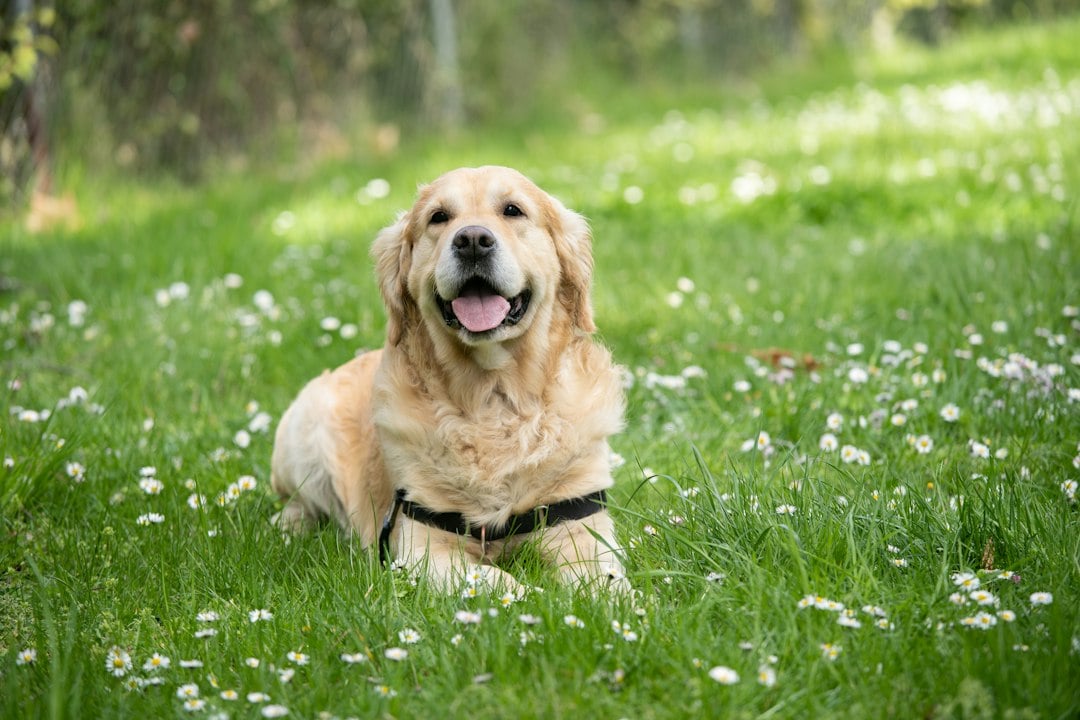
Warm weather gives dogs plenty of reasons to spend more time outside, but it can also make skin care a little more complicated. A dog with sensitive skin may have to contend with more time on grass, more swimming, insect bites, moisture trapped under the coat, and frequent baths after messy outdoor adventures.
This article explains how to protect sensitive skin in warm weather, including how to handle bathing, swimming, outdoor irritants, and minor skin irritation. It also covers the signs that suggest your dog’s itching needs veterinary attention.
Pay Attention to What Makes Your Dog Itch
Dogs can scratch their skin because of fleas, environmental allergies, skin infections, contact irritation, dry skin, or other problems. If your dog gets itchy every summer, don’t assume the heat itself is responsible.
Look at when the scratching starts and what happened beforehand. Did your dog spend the afternoon in long grass? Go swimming? Have a bath? Start using a new grooming product? Are they chewing mainly at their paws, scratching around the ears, or licking one patch of skin over and over?
Those details can help you work out what may be bothering it. They also give your veterinarian more useful information if the problem keeps coming back.
Rinse and Dry Your Dog After Swimming
If your dog has been in the sea or a pool, rinse the coat with fresh water when you get home. This removes salt, sand, chlorine, and other residue that may sit against the skin. Dogs that spend time in lakes, creeks, or muddy water may also need a rinse.
Dry their coat thoroughly as well. Towel your dog carefully and pay attention to areas where moisture can linger, such as under the legs, around skin folds, beneath the collar, and between the toes. A damp coat can also make an irritated area harder to spot.
Bathe Your Dog Gently
It can be tempting to bathe your dog more often in warm weather because they’re outside more. Frequent washing isn’t always helpful, especially if your dog already has sensitive skin.
Use a shampoo made for dogs and choose a gentle formula if your dog is prone to itching. Rinse it out thoroughly. Shampoo left in the coat can irritate the skin, even if the product itself is suitable for dogs.
You also don’t need to reach for shampoo every time your dog gets dusty. Sometimes a fresh-water rinse, a wipe of the paws, or a good brush is enough. The aim is to remove dirt and irritants without repeatedly stripping the coat and skin.
Treat Irritated Areas Early
If you notice your dog licking, chewing, or scratching one area repeatedly, check the skin rather than waiting to see whether the behaviour stops. Mild redness can become much more uncomfortable once a dog keeps working at the same spot.
Topical products can be useful for a small area of itchy or irritated skin. Pup Labs is one example of a brand that makes leave-on products for this purpose. The K9 Soothe spray from Pup Labs, available through puplabs.com, is designed to be applied directly to affected areas. Products like this are best treated as one part of a wider skin-care routine.
Whatever topical product you use, follow its directions and stop your dog from repeatedly licking or chewing an irritated area. If the affected area is raw, swollen, bleeding, producing discharge, or spreading beyond the original patch, contact a veterinarian.
Stay Ahead of Fleas and Outdoor Irritants
Warm weather often means more outdoor exposure, so it’s especially important to keep on top of things that can aggravate sensitive skin.
Use a veterinarian-recommended flea-control product regularly to kill fleas and reduce the risk of an infestation. Check the dog’s coat regularly, particularly around the base of its tail, belly, legs, and other areas where irritation may be easy to miss. After it’s walked through long grass or bushy areas, look over its paws, lower legs, and belly for plant material, burrs, or anything else caught against its skin.
You can also wipe or rinse your dog’s paws after outdoor walks if grass or other environmental contact seems to trigger itching. That won’t solve an allergy, but it can reduce how long potential irritants remain on the skin.
Don’t overlook sun exposure. Dogs with sparse coats or lightly pigmented, exposed skin may need extra protection during long periods outside. Shade is the simplest option. If your pup needs sunscreen, apply dog sunscreen to its skin.
Know to Involve Your Veterinarian
Some skin irritation settles once the trigger is removed. Persistent or worsening itching is different.
Book a veterinary appointment if your dog is scratching so much that they’re breaking the skin, losing hair, developing scabs or sores, or struggling to sleep or settle. An unpleasant smell, discharge, swelling, moist lesions, or repeated ear problems also deserve attention.
Pay attention to recurring symptoms even when each flare-up seems mild. If the same problem appears every warm season, your dog may have an allergy, parasite problem, infection, or another condition that needs more than a change in grooming.
Conclusion
Protecting a dog’s sensitive skin in a warm climate comes down to a few consistent habits: keep your dog clean without overbathing, rinse and dry them after swimming, reduce unnecessary contact with irritants, and check the skin regularly. The sooner you notice what’s changing, the easier it is to respond before your dog’s minor irritation escalates into a much bigger problem.