
Outdoor experiences are often better when people can stay present. Whether someone is hiking a trail, walking through a new city, skiing, cycling, camping, or exploring a scenic overlook, the goal is usually to enjoy the moment, not manage a pocket full of devices.
That is where wearable AI is starting to change the experience. Instead of asking people to stop, pull out a phone, open an app, and look down at a screen, wearable devices can support quick actions while the person keeps moving. They can help with communication, audio, reminders, information access, and first-person capture in a more natural way.
The best outdoor technology does not replace awareness, preparation, or judgment. It simply makes useful tools easier to access when people are already active.
Hands-Free Tech Fits Outdoor Movement
Outdoor activities usually require attention and movement. A hiker may need both hands for balance. A cyclist needs to stay focused on the road or trail. A skier cannot keep stopping to check a phone. A traveler walking through a crowded market may be carrying a bag, camera, or water bottle.
Hands-free technology helps because it reduces small interruptions. A user can listen to audio, receive a quick update, take a short video, or use a voice command without fully stopping the activity.
This is the real appeal of wearable AI outdoors. It brings support closer to the body and makes the interaction feel lighter. Instead of turning every task into a phone session, the device becomes a quiet layer of assistance.
That can make outdoor experiences feel smoother without making them feel overly technical.
Less Phone Use Can Mean More Presence
Phones are essential outdoor tools. They help with navigation, emergency communication, photos, bookings, weather checks, and travel planning. But they can also pull attention away from the environment.
A quick map check can turn into notifications. A photo can lead to scrolling. A message can interrupt a moment that was supposed to feel calm or adventurous.
Wearable AI can reduce some of that dependence by handling smaller tasks without requiring constant screen use. A smartwatch may show a basic alert. Smart eyewear may capture a quick clip. Audio wearables may provide directions or messages. Voice control may help users ask a question without typing.
The point is not to leave the phone behind. It is to use it less often when a lighter interaction will do.
Smart Eyewear Makes Outdoor Capture Feel Natural
Outdoor moments are often hard to capture because they happen while people are moving. A sunset appears between trees. A child reacts to a mountain view. A skier reaches a scenic point. A traveler turns into a street filled with color and sound.
Pulling out a phone can work, but it can also break the flow. Smart eyewear makes capture more natural because the camera follows the wearer’s perspective. A short clip can show what the person actually saw while walking, climbing, exploring, or traveling.
This first-person perspective is useful because outdoor memories are often tied to movement. The feeling of entering a trail, reaching a viewpoint, or walking through a new place is difficult to capture from a static angle.
Wearable cameras do not need to replace phones or action cameras. They simply add a more immediate way to document the experience.
AI Helps With Quick Outdoor Information
AI features can make wearables more practical outdoors by reducing the number of steps needed to access information. A user may want to set a reminder, start a message, ask a quick question, capture a note, or get simple assistance while walking or traveling.
This can be useful during active trips. A traveler can ask for a quick detail while exploring. A creator can record an idea before it disappears. A skier can use voice control when gloves make touchscreens annoying. A walker can keep the phone away while still listening to audio or receiving updates.
Of course, AI should not replace official safety guidance, trail signs, maps, weather alerts, or local rules. Outdoor preparation still matters. The National Park Service’s Leave No Trace Seven Principles emphasize planning ahead, respecting wildlife, disposing of waste properly, and being considerate of other visitors.
Wearable AI works best when it supports responsible outdoor behavior, not when it distracts from it.
Lightweight Devices Matter for Adventure
Outdoor gear has to earn its space. People already carry layers, water, snacks, sunscreen, passes, chargers, maps, and safety items. A device that feels bulky or complicated may not be worth bringing.
That is why lightweight wearables are becoming more appealing. Smartwatches, compact audio devices, smart rings, and smart eyewear can support the trip without adding much weight.
This is especially important for winter travel, hiking, sightseeing, and adventure trips where comfort matters. A wearable device should be easy to use, easy to carry, and simple enough that it does not interrupt the activity.
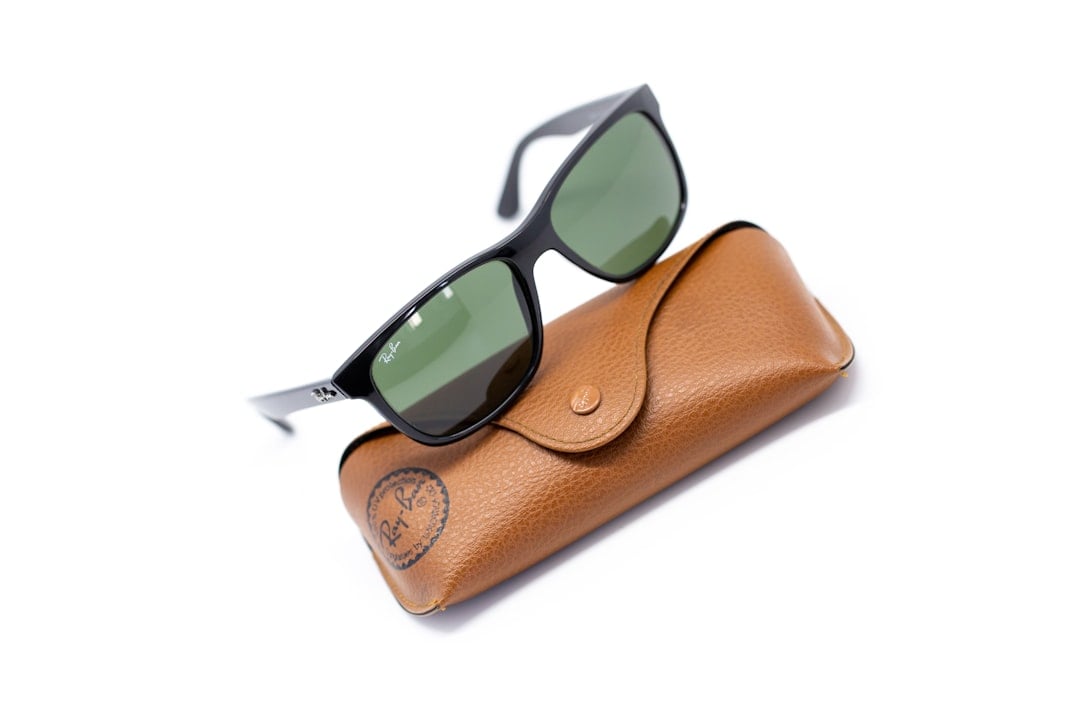
Outdoor technology should also fit basic health and safety habits. The CDC recommends sun protection such as shade, protective clothing, wide-brim hats, sunscreen, and sunglasses that block UVA and UVB rays during outdoor exposure. Those UV safety basics are still essential, no matter how smart the technology becomes.
Wearable AI Is Growing in Travel and Adventure
Travel and adventure are natural use cases for wearable AI because they involve movement, discovery, and quick decision-making. People want to capture memories, stay connected, access information, and navigate new spaces without constantly stopping.
Creators may use wearables to capture first-person clips from hikes, ski trips, cycling routes, city walks, or outdoor events. Casual travelers may use them to document memories more naturally. Families may use them to capture moments while staying involved in the activity.
This is why the latest generation of Ray-Ban Meta Glasses fits the broader shift toward outdoor lifestyle technology. The appeal is not only that the glasses are smart. It is that they combine familiar eyewear with hands-free capture, audio, voice features, and AI support in a form that can move with the user.
For outdoor lifestyles, that kind of integration matters.
The Best Outdoor Tech Stays in the Background
Wearable AI should not become the center of the outdoor experience. The trail, city, mountain, beach, road, or campsite should still come first.
The best devices stay in the background until needed. They help capture a moment, answer a quick question, support communication, or reduce phone use. Then they get out of the way.
That balance is important. Too much technology can make the outdoors feel less like an escape. The right technology can make it easier to enjoy the experience with fewer interruptions.
For users, the goal should be thoughtful use. Record selectively. Respect privacy. Follow local rules. Stay aware of the environment. Use wearables to support the moment, not replace it.
Final Thoughts
Wearable AI is changing outdoor experiences by making technology more accessible, lighter, and less dependent on screens. Hands-free devices can support communication, quick information access, first-person capture, and travel convenience without constantly pulling users back to their phones.
For hikers, travelers, skiers, cyclists, creators, and families, the value is practical. Wearable AI can help people stay connected and capture memories while remaining more present in the activity.
The future of outdoor technology is not about carrying more devices. It is about choosing smarter tools that make adventure feel simpler, safer, and more natural.