
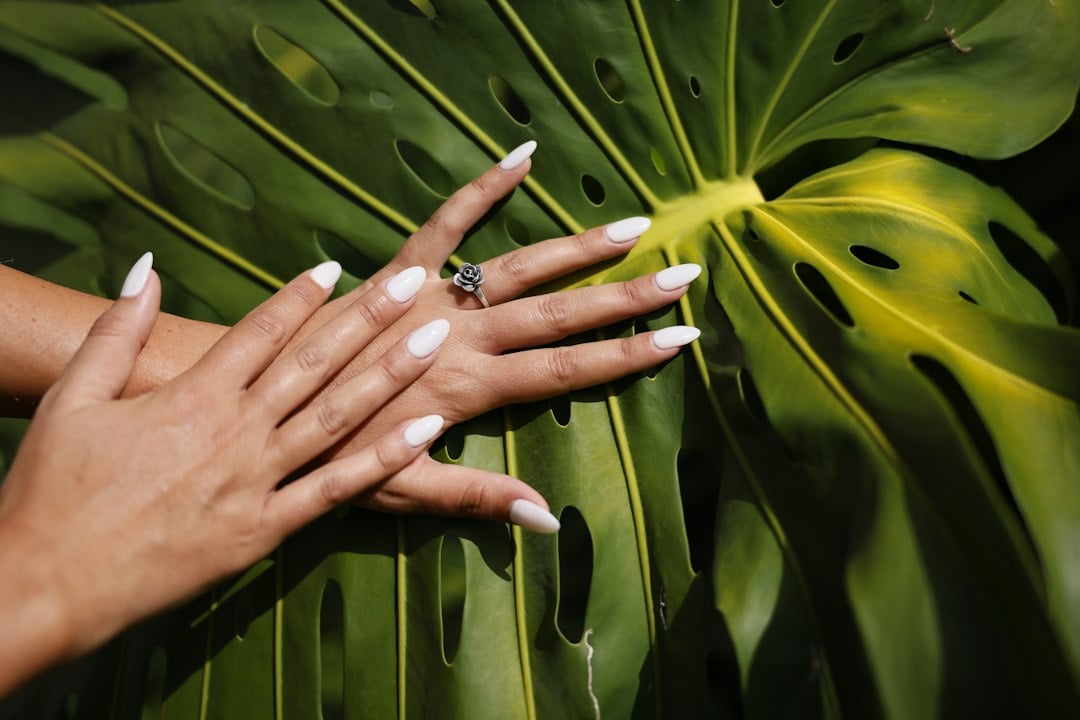
Doing your nails at home can seem like an easy way to save money. Skip the appointment, buy a few supplies, and suddenly every manicure feels almost free. But the real calculation is more complicated.
DIY nails come with upfront costs, ongoing product expenses, equipment needs, and the value of your time. Salon appointments, meanwhile, bundle products, tools, skill, cleanup, and convenience into one price.
So, is doing your nails at home actually cheaper? In many situations, it can be. The important question is how quickly your initial investment pays for itself and whether the DIY routine fits your lifestyle.
Start With the True Cost of a Salon Manicure
When comparing salon and DIY nails, begin with what you currently spend rather than what someone else pays. Salon prices vary according to location, service, nail length, design complexity, and the products used.
Look through your recent appointments and calculate your typical cost. Include more than the advertised base service. Your actual spending may include:
- The manicure or nail service
- Removal of an existing set
- Nail art or other upgrades
- Repairs or extensions
- Tips
- Transportation or parking
Frequency matters just as much. Someone who visits a salon regularly has more opportunities to recover the cost of a home setup than someone who books professional manicures only for holidays and special occasions.
For a useful comparison, estimate what you spend over several months rather than looking at one appointment in isolation.
DIY Nails Have a Bigger Upfront Cost
The first home manicure is rarely the cheapest one.
Starting from scratch can mean purchasing a lamp for gel products, base and top coats, files, brushes, cuticle tools, removal supplies, colors, and other essentials. Depending on the manicure system you choose, you may need additional equipment.
Brands such as F.O.X Nails USA offer products for people building more complete nail setups, but beginners do not necessarily need everything at once. A better approach is to start with the tools required for the manicure style you actually plan to do.
That distinction matters because overbuying is one of the easiest ways to erase potential DIY savings. A drawer filled with colors you rarely wear and specialized tools you never use is still money spent.
Start small. Once you know that doing your nails at home is a habit you enjoy, you can expand your collection gradually.
Think in Terms of Cost Per Manicure
The fairest comparison is not the cost of your first DIY manicure versus one salon visit. It is your cost per manicure over time.
Imagine, purely as an example, that your complete home setup costs $180. If you use those supplies for 20 manicures, the initial equipment averages $9 per manicure before accounting for consumable products. If you continue using the same reusable equipment for another 20 manicures, its average cost per use falls further.
That is where DIY can become financially attractive.
However, remember that products eventually need replacing. Base coats run out. Files wear down. Favorite colors need replenishing. Some tools may need replacing or upgrading.
A simple way to track the real difference is to keep a note on your phone with every nail-related purchase. Divide your total DIY spending by the number of manicures you complete. Then compare that figure with your normal all-in salon cost.
A Better Home Setup Can Change the Experience
Saving money shouldn’t mean ignoring comfort, cleanliness, or practical workspace needs.
If you regularly file gel or other nail enhancements at home, fine dust can quickly spread across your table and surrounding surfaces. That can make cleanup one of the less enjoyable parts of a DIY routine. People creating a more dedicated manicure station may therefore consider equipment such as the nail dust collectors available from F.O.X Nails USA as part of the overall setup.
Equipment like this increases your upfront spending, so include it in your DIY cost calculation rather than treating it as an invisible expense. At the same time, reusable equipment can serve many manicure sessions, meaning its cost is distributed across repeated use.
The goal is not to recreate a professional salon immediately. The goal is to build a workspace that makes regular DIY manicures practical enough that you will keep doing them.
Money Is Not the Only Cost
Another resource worth calculating is time.
A professional nail technician already has the tools, workspace, and experience required to complete the service. At home, you handle everything yourself, including preparation and cleanup. When you are learning, a manicure can also take longer because you may need to correct uneven shaping, application mistakes, or nail art.
For some people, that does not feel like a cost at all. Doing their nails is relaxing and creative. They enjoy choosing colors, learning techniques, and working at their own pace.
For others, convenience is worth paying for. If your free time is limited and you dislike the process, the lowest-cost option on paper may not provide the best overall value.
The Smartest Choice May Be a Hybrid Routine
Choosing DIY does not require giving up salons completely.
A hybrid approach can offer a practical middle ground. You might handle simple manicures and routine maintenance at home, then visit a professional when you want elaborate nail art, longer extensions, or a special-occasion set.
This strategy can also help beginners avoid spending heavily on equipment for techniques they rarely use. Instead of trying to master every type of manicure, focus your home kit on the styles you wear most often.
Before buying another tool or product, ask yourself one question: Will I use this regularly enough to justify the cost? That simple test can keep a supposedly money-saving hobby from becoming an expensive collection.
So, How Much Can You Really Save?
There is no universal dollar amount because the answer depends on your usual salon spending, appointment frequency, home setup, product choices, and how consistently you use what you buy.
The best way to find your personal savings is straightforward. Calculate your real salon spending, track every DIY purchase, and compare the two over several manicures rather than after your first attempt.
DIY nails generally become more economical when you reuse tools and buy consumables thoughtfully. Salon services can still make sense when convenience, advanced techniques, or professional results matter more to you than minimizing cost.
Ultimately, the best nail routine is not simply the cheapest one. It is the one that balances your budget, time, skills, and enjoyment, and that you can realistically maintain.