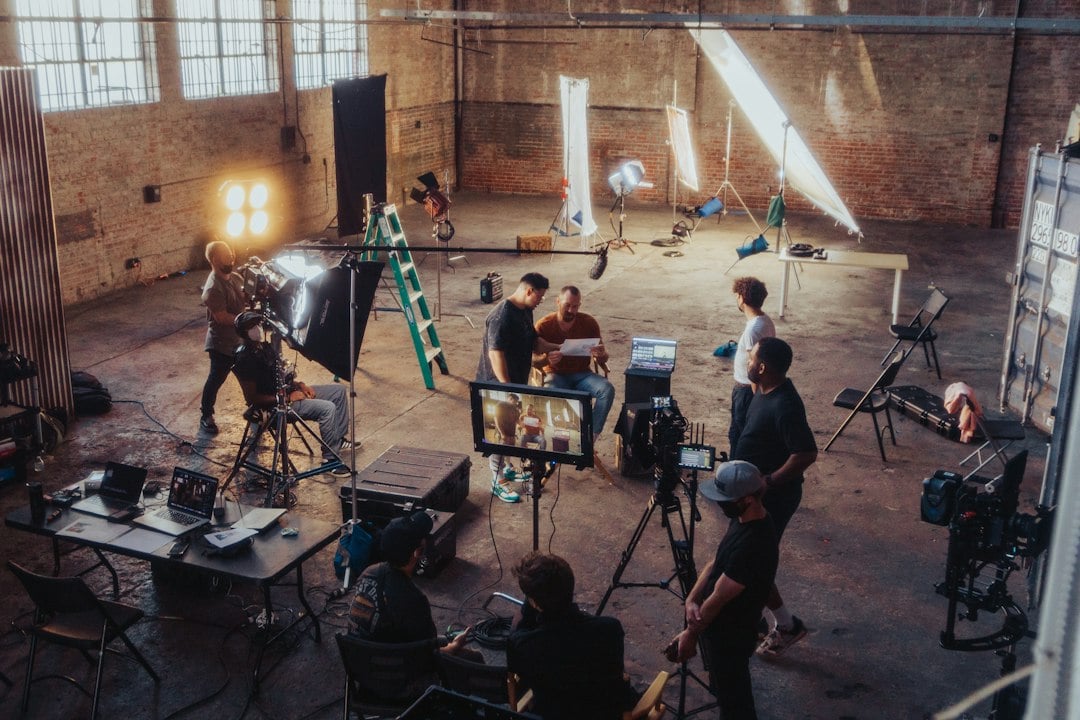
Something has shifted on the Coast this year. Walk past the old Movie World backlot on a Tuesday afternoon and there’s a decent chance you’ll spot a caterer’s van, three security guards, and a line of locals in wardrobe holding numbered tags. Six months ago that same stretch of road was quiet.
The Gold Coast has always had a production history. Bluey is the obvious headline act. But 2026 has brought something different: a run of mid-budget features and streaming dramas that need dozens, sometimes hundreds, of background performers per shoot day. Casting agencies that used to place ten extras a fortnight are now fielding calls for forty.
For locals who’ve never set foot on a set, this is the entry point. Not lead roles. Not even speaking parts, usually. Just a day rate, a costume fitting, and a chance to watch how a production actually runs.
Why Casting Calls on the Coast Look Different Now
The scale is the first thing that surprises people. A single streaming drama filming across Southport and Surfers Paradise this winter needed background talent for a hospital corridor scene, a beachside funeral, and a casino floor sequence, all within the same fortnight. Three wildly different casting briefs from one production.
Casting coordinator Renae Fitch, who’s been booking extras on the Coast since 2014, told a local trade briefing in August that daily background numbers have roughly tripled since 2023. She put it bluntly: “We used to scrape together twenty people for a pub scene. Now we’re turning people away for a supermarket aisle.”
Part of this traces back to infrastructure. Shadowbox Studios’ new Gold Coast build is expected to support thousands of production jobs once fully operational, and background talent is a big piece of that. Productions don’t fly extras in. They hire local, and they hire fast when a shoot schedule shifts.
The casino floor scene mentioned above was shot at Star Gold Coast over two days in July. Production dressed the main gaming floor after hours, brought in period signage for a 1990s flashback sequence, and needed close to sixty extras who could convincingly mill around blackjack and roulette tables without looking at the camera. Several locals who worked that shoot described eight-hour days of repeated walk-throughs, the same seven seconds of footage shot from four different angles, and a wardrobe department that cared more about collar shape than anyone expected.
One extra, a 34-year-old hospitality worker from Burleigh, said the pay was solid but the real value was watching a director of photography light a room that size in under twenty minutes. “You don’t get that anywhere else unless you’re already in the industry,” she said.
What Happens After the Cameras Leave
Here’s the part nobody plans for. Once an episode with a casino set piece actually airs, streaming platforms see a predictable spike in searches for “Star Gold Coast” and “Gold Coast casino,” and a smaller but consistent spike in searches for online gambling generally. It’s a strange side effect of production tourism. People don’t book a table at the actual venue. Most can’t, or won’t bother with the drive. What they do instead is look for something faster.
A chunk of that audience ends up gravitating toward digital alternatives rather than the physical floor they just watched on screen, and the ones doing it properly go looking for online casinos Aussie players can trust rather than the first result that pops up. It’s a small but telling behaviour shift. Viewers want the atmosphere of what they just watched without the commute or the dress code.
Gambling carries real risk and isn’t something to treat lightly. Anyone finding it hard to stop should reach out to Gambling Help Online or call 1800 858 858.
That’s really where the casino angle ends for this piece. The more interesting story is still the one happening off-camera. Casting directors on the Coast now field enquiries from people who’ve never done extra work in their life, prompted purely by seeing a familiar street or building on a streaming platform.
The Money Side Nobody Talks About
Day rates for background work on the Coast currently sit between $180 and $280 for a standard eight-hour call, with meal penalties kicking in past hour six. It’s not a living wage by any stretch. But for retirees, students, and shift workers with flexible hours, it’s become a reliable side income. Some locals have worked eleven or twelve shoot days this year alone, which at the higher end works out to a genuinely useful few thousand dollars.
The bigger number sits at the industry level. Screen Australia’s Drama Report for the 2024/25 financial year recorded $2.7 billion spent on drama production nationally, a figure that keeps climbing as Queensland grabs a larger slice of that pie. Nikkei Asia’s coverage of the Gold Coast’s production boom points to government incentives and a maturing local crew base as the twin engines behind it, not just favourable exchange rates for overseas studios.
What that means practically: more casting calls, more short-notice work, more chances for someone with zero industry contacts to end up standing in a hospital corridor scene next to an actor they recognise from a show they watched last month.
Where This Goes Next
Production insiders expect the pace to hold through summer, partly because Shadowbox’s studio build is still ramping up and partly because streaming platforms have shown no sign of slowing their Australian commissioning. If you’ve been curious about extra work, casting notices tend to surface on local Facebook groups and through agencies well before they hit anywhere official. The people getting cast repeatedly are usually the ones who apply fast and show up on time.
For a rundown of what’s actually happening around town while all this filming goes on, check our September events guide for things to do between shoot days. And if you’re weighing up how trust and transparency work in newer digital spaces more broadly, our piece on building trust in a trustless world covers some of the same ground from a different angle.
Frequently Asked Questions
How much do Gold Coast film extras actually get paid? Most background work pays $180 to $280 for an eight-hour day, with meal penalties for anything longer. Rates can climb for specialty work like stunt-adjacent scenes or period costume requiring fittings, though those bookings are far less common than standard background calls.
Do you need experience to work as an extra on the Coast? No. Most casting agencies accept applications from anyone over 18 with reliable transport and flexible availability. A recent headshot and a short bio are usually enough to get on an agency’s books, though repeat bookings tend to go to people who show up on time.
Where do Gold Coast casting calls get posted? Local casting agencies typically post through Facebook groups, agency mailing lists, and occasionally through talent management sites before wider release. Shoots with tight turnarounds often fill spots within 24 to 48 hours of the call going out.
Why is so much production suddenly happening on the Gold Coast? Government production incentives, a growing local crew base, and new infrastructure like Shadowbox Studios have made the Coast more attractive to streaming platforms and studios. Screen Australia’s most recent figures show national drama spending topping $2.7 billion, with Queensland capturing a growing share.
Can extra work lead to bigger roles in the industry? It can, though it’s not guaranteed. Some extras move into standing roles as background regulars, others use set time to network into crew positions. It’s a slow path, but for people wanting a foot in the door without formal training, it’s one of the few realistic entry points.