
An electrical project sounds straightforward until it starts. Then the questions arrive faster than the answers. Does this need a permit? Can the existing switchboard handle the new load? Is the wiring behind the wall aluminium or copper? Who’s responsible if something fails the inspection? Most homeowners walk into electrical work knowing what they want done but not understanding what the process actually involves. That gap between expectation and reality is where budgets blow out, timelines stretch, and safety gets compromised.
Whether the project is a full house rewire, a switchboard upgrade, a kitchen renovation with new circuits, or something as focused as adding outdoor lighting, the fundamentals stay the same. Planning matters more than speed. Compliance isn’t optional. And choosing the right person to handle your electrical requirements can change the outcome more than any single product or design decision along the way. Here are a few things worth knowing before any of it begins.
1. Not Everything Needs A Permit, But More Than You Think Does
Changing a light globe doesn’t need a permit. Adding a new circuit does. So do a switchboard upgrade, a new power point installation, or any work that alters the property’s fixed wiring. Specific requirements vary by state, but the principle holds everywhere: work that modifies a building’s electrical infrastructure must be done by a licensed electrician and documented with a certificate of electrical safety.
2. The Switchboard Sets The Ceiling For Everything Else
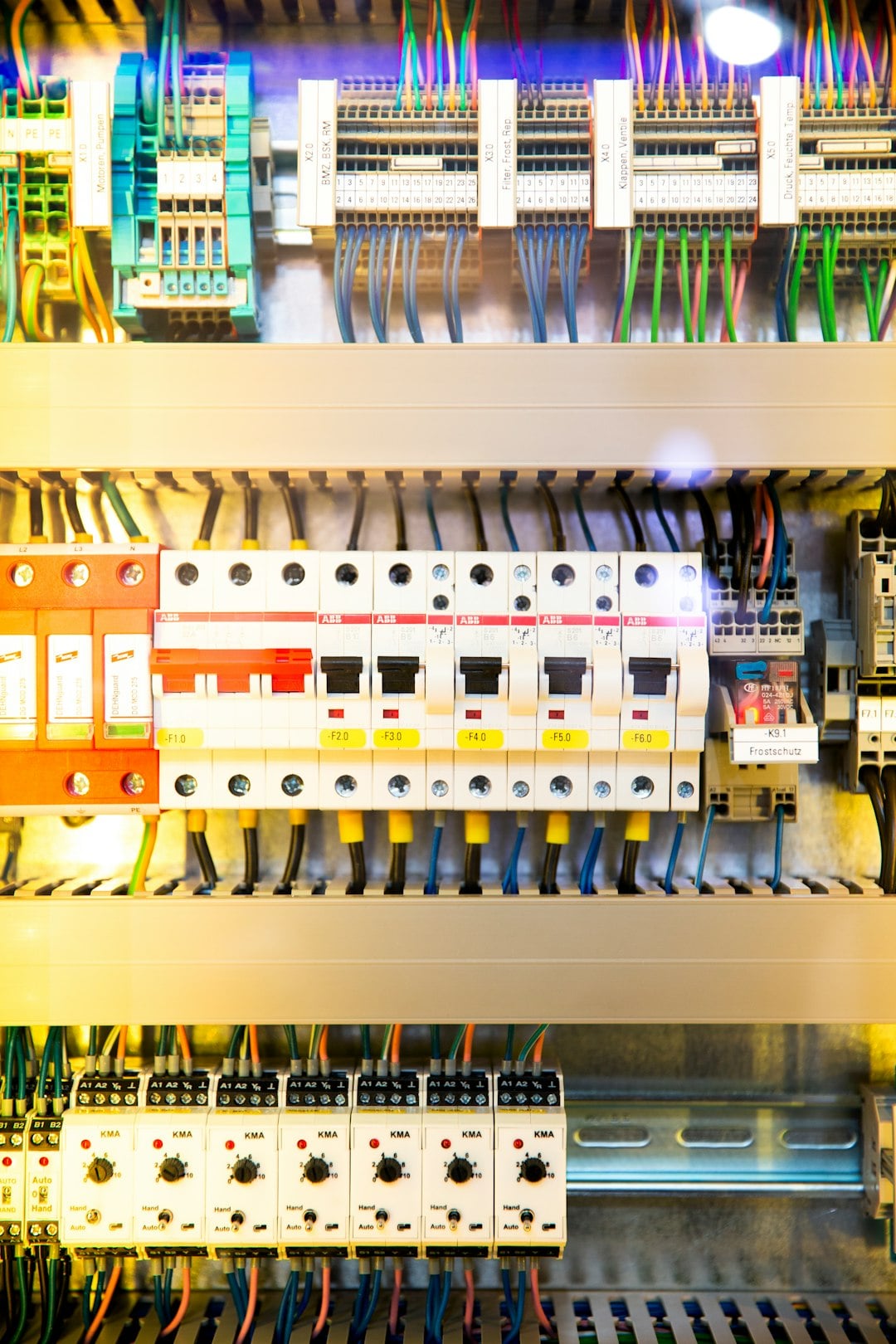
Every circuit in the house starts at the switchboard. If the board is full, old, or undersized, it caps what the project can achieve before you run a single metre of cable. Adding an oven circuit, an EV charger, or a shed sub-board to a switchboard that’s already at capacity means upgrading the board first. Discovering this mid-project adds cost and weeks that an upfront board assessment could’ve avoided.
3. A Quote Without A Site Visit Is A Guess
Any electrician who quotes a price without seeing the property in person is estimating based on assumptions. Wall construction, cable routes, switchboard condition, existing wiring quality, and access points all affect scope and cost. A site visit takes thirty minutes. The clarity it provides saves both sides from the disputes that vague quotes create once the work reveals something nobody accounted for.
4. Electrical Work Hides Behind Finished Surfaces
Cable runs inside walls. Junction boxes sit above ceilings. Connections happen behind power plates. Once the plasterer finishes, none of it is visible. That means the quality of the work depends entirely on the person who did it, because nobody else will see it again until something fails. Cheap work looks identical to good work from the outside. The difference shows up in performance, safety, and lifespan.
5. Old Wiring Doesn’t Always Need Full Replacement
Some older wiring is still safe and functional. Some isn’t. A licensed electrician can test insulation resistance, check earthing, and assess whether the existing wiring meets current load demands. Replacing everything “just in case” isn’t always necessary. But leaving degraded wiring in place because it still technically works is a gamble that gets worse with every year it ages.
6. Cable Sizing Matters More Than Most People Realise
Undersized cable overheats under load. Oversized cable wastes money. The correct cable size depends on the circuit’s current rating, run length, installation method (in wall, in conduit, clipped to surface), and ambient temperature. Getting this wrong doesn’t show obvious symptoms. It creates a hidden fire risk that builds silently over time.
7. Safety Switches And Circuit Breakers Do Different Jobs
A circuit breaker protects wiring from overload and short circuits. A safety switch (RCD) protects people from electric shock by detecting current leaking to earth. Both are necessary. Having one doesn’t compensate for missing the other. Older properties without RCD protection on all circuits should treat adding them as a priority, not an optional upgrade.
8. The Cheapest Quote Usually Isn’t The Best Value
A quote that’s significantly lower than the others is either missing scope, using inferior materials, or coming from someone who’ll cut corners where they can’t be seen. Comparing quotes on a like-for-like basis (same scope, same materials, same compliance documentation) produces a clearer picture of actual value than comparing bottom-line numbers that include different things.
Every Project Starts With A Conversation
Not with a purchase order. Not with a YouTube tutorial. A conversation with someone qualified to look at what exists, understand what’s needed, and explain what the path from here to there actually involves. That conversation sets the scope, budget, timeline, and expectations. Getting it right costs nothing. Skipping it costs everything else.