
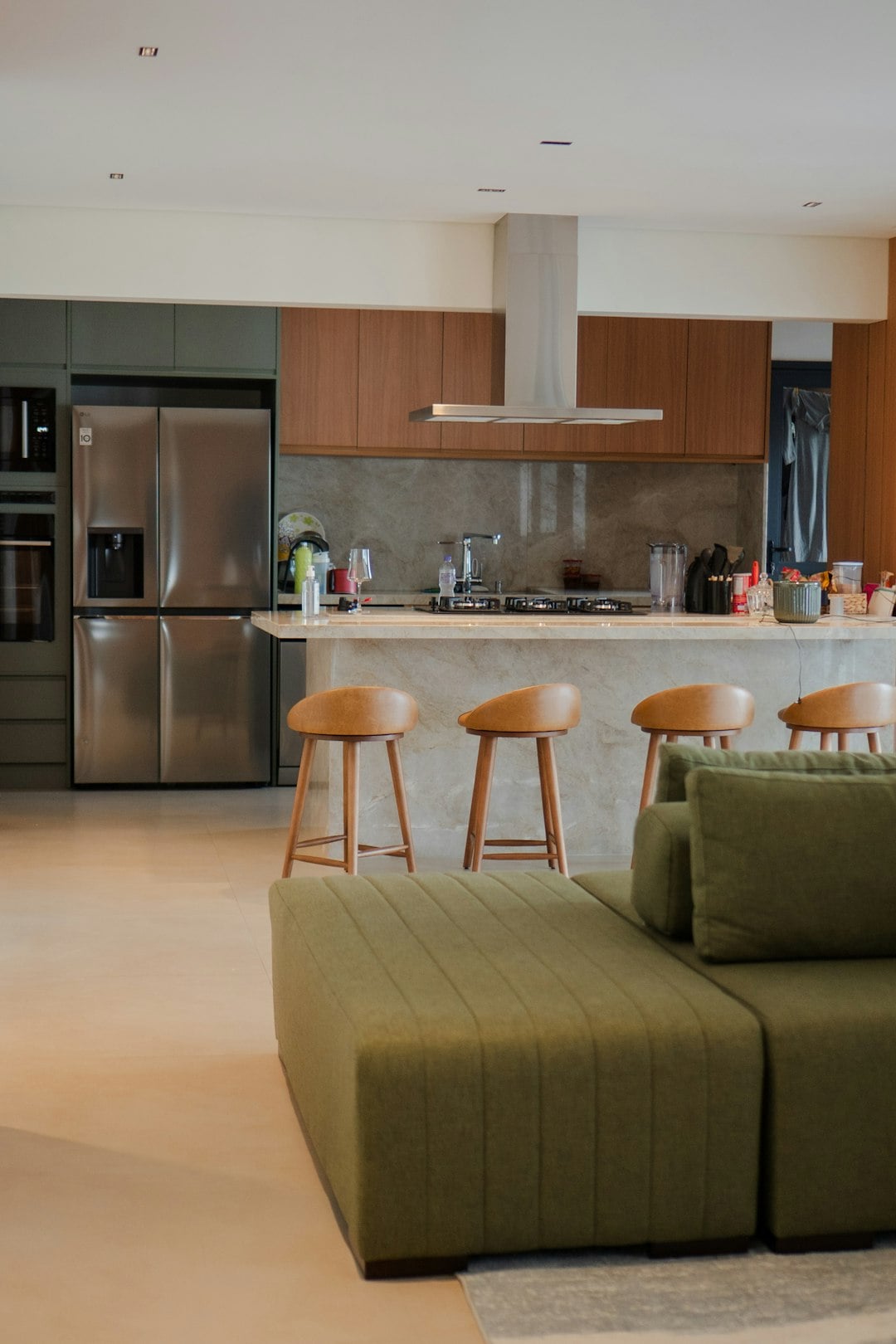
Interior design trends are constantly evolving, but some of the most exciting changes involve looking backward rather than forward. Natural stone, solid wood, copper, brass, linen, and other traditional materials are appearing in contemporary homes with renewed confidence.
Part of their appeal comes from a growing interest in interiors that feel warm, individual, and designed to last. Instead of filling homes with finishes that may quickly look dated, homeowners are rediscovering materials that have remained relevant for generations.
Moving Away From Disposable Design
Fast-changing trends have made it easier than ever to transform a room, but they can also encourage frequent replacement. A finish that dominates social media one year can suddenly feel noticeably dated just a few years later.
Timeless materials offer a different approach because their appeal does not depend entirely on a particular trend. Wood, stone, ceramic, and metal have been used in homes for centuries, yet designers continue finding new ways to incorporate them into contemporary spaces.
Natural Materials Bring Character Into The Home
One reason traditional materials remain attractive is their natural variation. The grain of a wooden table, veining in a stone countertop, or subtle differences across a metal surface can prevent an interior from looking overly uniform.
These variations also give individual pieces a sense of identity. Even in a minimalist room, a beautifully grained timber cabinet or stone surface can introduce enough texture to make the space feel warmer and more welcoming.
Materials That Can Become Better With Age
Not every sign of wear has to be viewed as a flaw. Certain materials gradually develop character through regular use, helping a home feel established rather than permanently new.
Copper is a particularly interesting example because its appearance can evolve as the surface ages. Other materials, including wood, leather, brass, and some natural stones, can similarly develop distinctive characteristics over time rather than simply losing their original appearance.
Bringing Warmth Back Into Modern Kitchens
Kitchens provide an ideal setting for combining traditional materials with contemporary design. Clean cabinetry and modern appliances can sometimes create a visually cold environment, so wood, stone, and metal provide useful opportunities to introduce warmth and texture.
A wooden dining table, stone countertop, copper range hood, or distinctive sink can become an architectural feature without overwhelming the room. Companies such as CopperSmith demonstrate how traditional metals can be incorporated into sinks, furniture, range hoods, bathtubs, and other features designed for contemporary spaces.
Creating Contrast Instead Of Matching Everything
Modern interior design is increasingly comfortable with contrast. Rather than choosing every fixture, surface, and piece of furniture from the same visual family, homeowners can combine complementary materials to create greater depth.
For example, warm timber can soften the appearance of stone, while metal can provide definition alongside textured fabrics and natural finishes. The objective is not to introduce as many different materials as possible, but to create a considered relationship between them.
Timeless Does Not Have To Mean Traditional
Choosing materials with a long history does not mean creating a home that looks old-fashioned. The same piece of marble, timber, or copper can appear completely different depending on its shape, finish, surroundings, and architectural context.
A copper feature with elaborate detailing might suit a traditional kitchen, while the same material in a streamlined form can complement a minimalist interior. This versatility allows homeowners to enjoy the qualities of established materials without committing to a particular historical style.
Sustainability Is Influencing Design Decisions
Sustainability has also encouraged greater interest in longevity. While the environmental impact of any material depends on factors such as sourcing, manufacturing, transportation, maintenance, and eventual disposal, keeping products and materials in use for longer can reduce the need for frequent replacement.
This makes durability an increasingly relevant consideration during renovations. Instead of asking only how a material looks today, homeowners can consider how it will perform, whether it can be repaired, and whether they will appreciate it years from now.
Craftsmanship Is Becoming More Visible
The renewed appreciation for traditional materials goes hand in hand with an interest in craftsmanship. Handmade furniture, custom metalwork, natural stone, and carefully crafted architectural details introduce subtle differences that mass-produced objects don’t always provide.
These details can make an interior feel personal without relying on excessive decoration. A room may have relatively simple furniture and neutral colors while still feeling distinctive because its materials provide texture, depth, and evidence of how individual pieces were made.
Mixing Old And New Creates Personality
Some of the most inviting modern homes avoid following one design period exclusively. Contemporary furniture can sit comfortably beside an antique cabinet, while a traditional material can be shaped into something distinctly modern.
This combination gives homeowners greater freedom to build interiors gradually. Rather than replacing everything when styles change, existing pieces can stay while newer additions bring a different layer of personality to the space.
Choosing Materials For Everyday Life
Appearance should never be the only consideration when selecting materials. Kitchens, bathrooms, dining rooms, and outdoor entertaining areas experience different levels of moisture, heat, spills, sunlight, and daily wear.
Therefore, consider maintenance requirements alongside aesthetics. Some natural stone needs sealing, certain metals change appearance with exposure, and different types of timber require appropriate finishes, so understanding how a material behaves can prevent disappointment later.
Using Timeless Materials In Small Ways
A complete renovation is not necessary to embrace this design direction. Smaller changes can introduce timeless materials without dramatically changing a room’s character or requiring a substantial budget.
A solid wood side table, stone serving piece, linen curtains, metal lighting fixture, or ceramic vase can provide natural texture. These additions are also easier to combine with existing furniture, making them useful for homeowners who prefer to update their interiors gradually.
Creating A Home That Feels Personal
Perhaps the greatest advantage of timeless materials is that they allow interiors to develop naturally. Homes do not need to look perfectly coordinated or frozen at the moment they were decorated.
Materials that respond to use can record small parts of everyday life, whether through a changing metal finish, softened timber, or textiles that become more comfortable over time. Those characteristics can give a space personality that is difficult to reproduce through purely trend-driven decorating.
Designing Beyond The Latest Trend
The return of timeless materials does not mean contemporary design is disappearing. Instead, it reflects a desire to combine modern functionality with materials that provide warmth, durability, texture, and lasting visual interest.
Ultimately, successful interiors rarely depend on following every new trend. By choosing materials that suit both the home and the people living in it, homeowners can create spaces that remain appealing as styles continue to evolve.