

Family-law matters move quickly on the Gold Coast. The window between a separation conversation and the first significant legal decision is often days rather than weeks. The choice of counsel made in that early window shapes outcomes for the rest of the matter. The specific characteristics of the Queensland family-law system reward specialist representation.
Alt text: A family lawyer consultation in a Gold Coast professional office
The same disciplined evaluation that informs other major family decisions translates directly to this moment. Gold Coast firms led by specialist family lawyers offer particular advantages over generalist practices. The team at Acute Family Law & Mediations illustrates the credentialing depth Gold Coast households should look for, with focused practice in family-law matters including divorce, mediation, and parenting arrangements. The decision rewards a few hours of structured homework before the first retainer signs.
Why Does the Family-Law Choice Carry More Weight on the Gold Coast?
A family-law matter is a legal proceeding involving separation, divorce, parenting arrangements, child support, financial settlements, or domestic violence orders under the Australian Family Law Act 1975. Three structural features make the counsel choice consequential. The first is the speed factor. Property-settlement deadlines run 12 months from divorce and 2 years from de-facto separation. Counsel selected late produces worse outcomes than counsel selected early.
The second is the local-knowledge requirement. Family-law matters in Queensland often turn on local court practices, mediator availability, and Federal Circuit and Family Court of Australia procedures. The disciplined family-evaluation visible in a Gold Coast Mother’s Day events guide carries through to legal-counsel selection.
The third is the mediation-pathway reality. The Family Law Act requires genuine attempts at family-dispute resolution before most parenting matters reach court. Counsel who knows which mediators produce settlements and which produce stalemates produces meaningfully better outcomes than counsel who treats mediation as a checkbox.
What Should Gold Coast Households Verify Before Retaining a Family Lawyer?
Six checks belong on every shortlist before signing a retainer.
| Check | Why It Matters | What to Confirm |
| Family-law specialty | Predicts outcomes | Accredited Family Law Specialist designation |
| Years in Gold Coast practice | Local knowledge matters | 5+ years in Queensland family law |
| Mediation track record | Avoids unnecessary court | Settlement rates documented |
| Engagement letter clarity | Fee structure visible | Hourly cap, retainer scope, billing |
| Communication standard | Predicts the experience | Response-time commitment in writing |
| Conflict-of-interest check | Cannot be missed | Pre-engagement conflict screening |
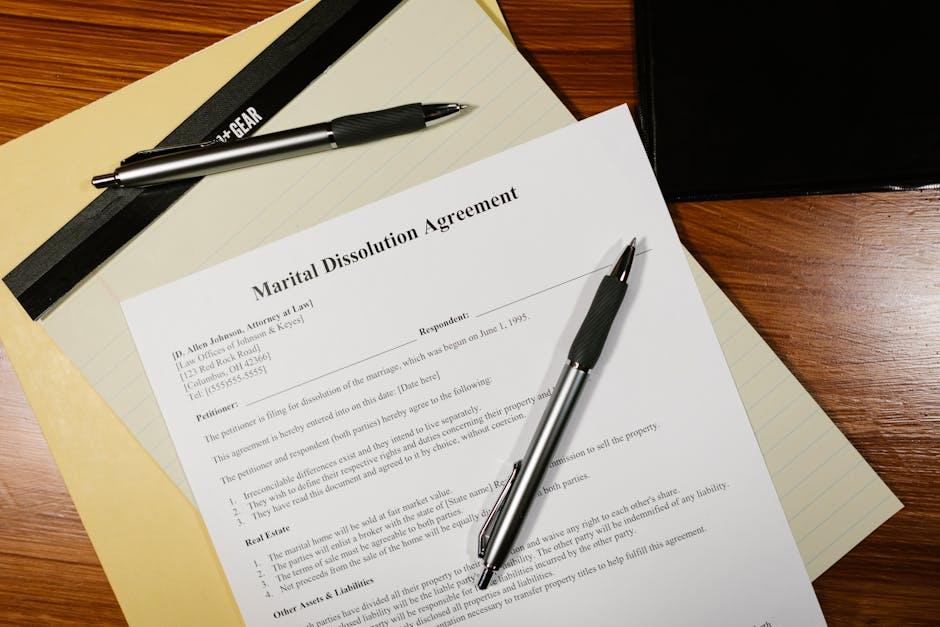
Photo by RDNE Stock project on Pexels
Alt text: Family mediation documents on a polished office desk
A firm that produces clear answers across these six points signals counsel worth retaining. A firm that deflects on any of them signals a generalist shop that may not match the specific matter. Asking these questions in the first consultation saves real money over the matter’s lifecycle.
Which Gold Coast Family-Law Scenarios Reward Specialist Counsel?
A specialist family lawyer is one whose practice focus runs 70 percent or more on family-law matters rather than as a side practice within a generalist firm. Three scenarios reward this model more than the others. The first is the high-conflict separation where parenting arrangements need urgent court intervention.
The second is the property-settlement matter where assets include businesses, superannuation, or trust structures. These matters need counsel who reads complex financial structures fluently. The third is the de-facto separation where the property regime under the Family Law Act applies but timelines and entitlements differ from married couples. Resources from the Queensland Government law section and the Australian Bureau of Statistics marriages-and-divorces release provide a useful baseline for understanding the family-law field in Australia.
What Common Mistakes Surface in Gold Coast Family-Law Matters?
Several patterns recur. The first is treating the first consultation as a casual conversation. The lawyer is gathering facts, and the client who explains context without a clear strategy often creates the matter’s first damaging admission.
The second is delaying counsel selection until after the property-settlement deadline has narrowed. The 12-month and 2-year deadlines under the Family Law Act are strict.
The third is selecting a generalist firm because the household already has a relationship there. General-practice skill does not transfer cleanly to specialist family-law work. The fourth is overlooking the mediation-first requirement, which the same disciplined Gold Coast service-evaluation visible in a VIP-arrivals hospitality feature reminds us applies to specialist services across categories. The fifth is signing the engagement letter without understanding the fee structure. The sixth is failing to confirm the conflict-screening process before sharing details about the spouse or partner.
What Is the Bottom Line for Gold Coast Households?
The family-law decision rewards the homework discipline households already apply to other major decisions under pressure. The window allows for two or three serious counsel conversations rather than one default phone call. The right firm reads the matter’s specific contours and explains the trade-offs in language a household can verify against the underlying facts.
Whether the matter is a parenting arrangement, a property settlement, a de-facto separation, or a domestic violence order, the criteria translate cleanly. The first consultation should answer specific questions about strategy, timeline, communication, and fees. Households who run real consultations early end up with calmer outcomes than those who default to whichever firm responds first.
A shortlist of two or three specialist family lawyers, a written fee structure for each, and a frank conversation about communication expectations turns the decision into a low-risk one. The matter’s full timeline (often 6 to 24 months) rewards the diligence at the start. Most households who run the homework once end up working with the same counsel through the entire matter. The relationship runs from initial consultation through to the final court order or mediated settlement, often spanning a year or more from start to finish.
Frequently Asked Questions
When Should Gold Coast Households Engage a Family Lawyer?
Engage specialist counsel within 7 to 14 days of the separation decision or trigger event. Earlier engagement produces cleaner outcomes than waiting. The 12-month property-settlement deadline after divorce and the 2-year deadline after de-facto separation make early counsel selection genuinely consequential.
What Should I Expect to Pay for Family-Law Representation?
Family-law fees vary widely by matter complexity. Mediated separations typically run 5,000 to 25,000 Australian dollars across the lifecycle. Contested matters with court appearances run 30,000 to 150,000 dollars or more. Specialist firms typically quote a clear range tied to specific stages. Negotiated outcomes usually cost a fraction of full litigation.
Is Mediation Required Before Family Court?
Yes for most parenting matters. The Family Law Act requires genuine attempts at family-dispute resolution before most parenting matters reach court, with limited exceptions for safety concerns. Property matters may proceed without mediation but courts increasingly expect parties to attempt resolution first.
How Do I Verify a Lawyer’s Family-Law Specialisation?
Look for Accredited Family Law Specialist designation through the Queensland Law Society. Ask for recent matters with comparable fact patterns. Check the lawyer’s continuing legal education in family-law topics.
A firm that hesitates to share examples is one to keep evaluating. Specialist designation matters more than overall years in practice. Most Gold Coast households who run real homework end up choosing counsel who carry both designation and meaningful local-court experience.